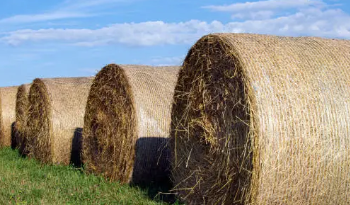

For Australian farmers, managing silage production costs is essential to maintaining profitability and farm efficiency. One key component of this process is silage plastic. The cost of silage plastic can vary significantly depending on material quality, thickness, brand, and local supplier pricing. Understanding these factors allows farmers to make informed decisions that balance quality and affordability, ensuring their livestock feed remains preserved while reducing unnecessary expenses.
What is Silage Plastic and Why It Matters in Australia
Silage plastic is a high-strength, stretchable plastic wrap used to cover and seal silage bales or pits. Its primary function is to protect the forage from air and moisture, which can cause spoilage and nutrient loss. In Australia’s diverse climate, from the humid regions of Queensland to the cooler areas of Victoria, selecting the right silage plastic is critical. Poor-quality wrap can lead to mould growth or fermentation issues, impacting livestock nutrition and increasing feed costs.
Australian farmers often face challenges such as exposure to strong UV radiation, extreme temperatures, and variable rainfall. These conditions make it essential to choose durable silage plastic that withstands local environmental conditions. While premium silage plastic may have a higher upfront cost, it often delivers better long-term value by reducing waste and improving feed quality.
Factors Influencing Silage Plastic Cost
Several factors determine the silage plastic cost for Australian farmers:
1. Material Thickness: Silage wrap thickness is measured in microns. Thicker wraps generally provide better protection and longer storage life but come at a higher price. Farmers must weigh the benefits of durability against the cost per roll.
2. Brand and Quality: Established brands often offer higher-quality silage plastic that resists tearing and UV degradation. While cheaper alternatives exist, they may compromise bale integrity, leading to spoilage-related costs.
3. Quantity Purchased: Buying in bulk can reduce the cost per roll. Many Australian suppliers offer discounts for large orders, which is advantageous for commercial farms producing significant volumes of silage.
4. Local Supply and Logistics: Transport costs can influence overall expenses, particularly for farmers in remote regions. Access to local distributors in New South Wales, Victoria, and South Australia can significantly affect pricing.
5. Climate Considerations: Different regions in Australia have unique climate challenges. For example, northern areas may require UV-resistant plastic, while southern regions might prioritise thickness to endure cooler conditions.
Average Silage Plastic Prices in Australia
As of 2025, the average cost of silage plastic in Australia ranges between AUD 30 and AUD 60 per roll, depending on thickness and quality. Higher-end rolls designed for extended outdoor storage or harsher climates can cost more, sometimes exceeding AUD 70 per roll. Farmers should also consider additional accessories, such as netting and bale wrappers, which contribute to overall silage plastic use.
While upfront costs may seem significant, investing in high-quality silage plastic often results in better feed preservation, reduced waste, and lower labour costs in the long term. A strategic approach to purchasing and usage can optimise budget allocation without compromising silage quality.
Tips for Reducing Silage Plastic Costs
Australian farmers can adopt several strategies to manage silage plastic costs effectively:
● Compare Local Suppliers: Prices may vary between regions and distributors. Checking multiple suppliers ensures competitive pricing.
● Bulk Purchasing: Ordering larger quantities at once often unlocks discounts and reduces per-roll costs.
● Select Appropriate Thickness: Match the wrap thickness to your storage needs rather than defaulting to premium options unnecessarily.
● Proper Storage: Store silage rolls in a shaded, dry area to prevent UV degradation and prolong usability.
● Recycle Where Possible: Some farms participate in recycling programs that reduce waste and overall material costs.
By following these guidelines, farmers can minimise unnecessary expenses while maintaining high-quality silage production.
Conclusion
Understanding silage plastic cost is a crucial part of Australian farm management. The price of silage plastic is influenced by multiple factors, including material thickness, brand quality, quantity purchased, and local climate conditions. Investing wisely in durable, high-quality silage wrap improves feed preservation, reduces waste, and ultimately supports livestock health and farm profitability.
For farmers across Australia—from Queensland’s tropical climates to Victoria’s temperate zones—careful planning and supplier research can make silage production both cost-effective and efficient. By balancing quality with price, Australian farmers can secure a reliable feed supply for their livestock while optimising their operational budget.