
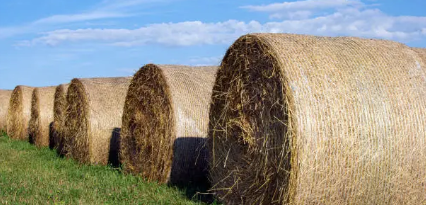
Net Wrap for Hay Baling Efficiency in Australia’ A Practical Guide for Farmers

Net wrap plays a critical role in modern Australian agriculture, particularly in hay and silage production across large-scale grazing regions in states such as New South Wales, Victoria, Queensland, and Western Australia. As weather variability increases and harvesting windows become tighter, farmers are relying more on efficient bale handling systems to preserve forage quality and reduce losses. In this context, net wrap has become an essential consumable in round balers, offering faster bale tying, improved weather protection, and more stable storage compared to traditional twine methods.

This article explores how net wrap is used in Australian farming systems, its benefits, selection considerations, and practical tips for maximising bale quality under local conditions.

Understanding Net Wrap in Australian Farming Systems

In Australian hay production, timing is everything. Dry spells can be short, and unexpected rainfall can significantly reduce feed value. This is where net wrap provides a clear advantage.

Net wrap is a polymer-based material applied during the baling process to secure compressed hay or straw into a tight, uniform bale. Unlike twine, which wraps in narrow strands, net wrap covers the bale surface more evenly, helping maintain shape and reducing air ingress.

Across broadacre farms in regions like the Riverina or Darling Downs, the use of net wrap has become standard practice because it reduces baling time and improves throughput during peak harvest periods. Farmers often report fewer stoppages and more consistent bale density when using net systems.

Key Benefits of Net Wrap for Australian Conditions

1. Faster Baling Operations

Time efficiency is critical during Australian harvest seasons. Using net wrap reduces wrapping time per bale compared to twine, allowing operators to cover more hectares per hour.

2. Improved Weather Resistance

Sudden rain events are common in many agricultural zones. A properly applied net wrap layer helps shed moisture more effectively than twine, protecting outer forage layers from spoilage.

3. Better Bale Shape and Stability

Uniform bale shape improves stacking efficiency in storage sheds and transport trucks. Net wrap helps maintain a consistent cylindrical form, reducing deformation during handling.

4. Reduced Feed Loss

Because net wrap holds forage more tightly, there is less leaf loss during movement and storage. This directly improves livestock feed quality.

Selecting the Right Net Wrap for Australian Farms

Choosing the right net wrap product depends on several operational factors:

Bale Size and Density Requirements

Different balers produce bales with different diameters and densities. Farmers must ensure the net wrap width and strength are compatible with their machinery specifications.

Climatic Conditions

In hotter regions such as inland Queensland, UV resistance becomes important. High-quality net wrap is designed to withstand prolonged sun exposure without degrading.

Storage Duration

If bales are stored outdoors for long periods, heavier-duty net wrap options are recommended to maintain integrity over time.

Cost Efficiency

While premium net wrap may cost more upfront, it often reduces total losses and improves efficiency, making it more economical in the long run.

Operational Best Practices for Using Net Wrap

Proper application of bale wrapping systems is essential for maximising performance. Incorrect tension or misalignment can lead to bale failure or material waste.

Maintain Proper Tension Settings

Balers should be calibrated so that net wrap is applied evenly without tearing or slack areas.

Regular Equipment Maintenance

Rollers, cutters, and feed mechanisms must be checked regularly. Worn components can lead to uneven wrapping and increased material usage.

Monitor Bale Moisture Content

For best results, hay should be baled at optimal moisture levels. Overly dry material may not bind well, while overly wet forage can spoil even with net wrap protection.

Environmental Considerations and Sustainability

Sustainability is increasingly important in Australian agriculture. Traditional plastic waste from farming is under scrutiny, and net wrap manufacturers are responding with recyclable, lower-plastic formulations.

Some Australian farming regions now participate in agricultural plastic recycling programs, where used net wrap is collected and processed into industrial plastic products. This reduces landfill pressure and supports circular-economy practices in the agricultural sector.

Farmers are also encouraged to store used net wrap properly and avoid contamination with organic waste to improve recyclability.

Challenges and Limitations of Net Wrap Usage

Despite its advantages, net wrap is not without challenges:

● Cost fluctuations: Prices can vary depending on global polymer markets.

● Machinery compatibility: Older balers may require upgrades to use modern net systems efficiently.

● Disposal requirements: Without access to recycling programs, disposal can be an environmental concern.

However, most Australian producers still find that the operational benefits outweigh these limitations.

Future Trends in Net Wrap Technology

Innovation in agricultural materials is ongoing. The next generation of net wrap is expected to feature:

● Biodegradable polymer blends

● Increased tensile strength with reduced material thickness

● Enhanced UV resistance for extreme climates

● Smart packaging identification for supply chain tracking

These improvements are likely to further enhance efficiency in Australian hay production systems, particularly as farms scale and labour efficiency becomes more critical.

Conclusion

In Australia’s demanding agricultural environment, net wrap has become a cornerstone technology for efficient hay and straw baling. Its ability to improve bale integrity, speed up operations, and reduce feed loss makes it indispensable for modern farming operations.

As innovation continues and sustainability becomes a greater priority, net wrap will likely evolve further, offering even greater performance benefits for Australian producers. For farmers seeking to improve productivity while maintaining high forage quality, adopting the right net wrap strategy is a practical and proven step forward.
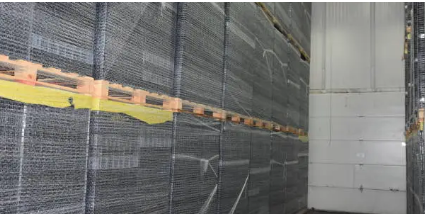
Pallet Freezer Spacers for Cold Chain Efficiency in Australia’ How Food-Grade Designs Improve Frozen Logistics

Efficient cold chain logistics are critical to Australia’s food supply industry, particularly for exporters dealing with meat, seafood, dairy, and frozen produce. One of the most overlooked yet essential components in this system is the use of food-grade pallet freezer spacers, which help maintain airflow, hygiene, and temperature stability during storage and transport. In a country where long-distance freight and extreme climate variations are common, these tools play a crucial role in protecting product integrity from warehouse to destination.

This article explores how cold chain operators across Australia are improving efficiency, reducing spoilage, and meeting compliance standards through smarter pallet management systems, including the use of food-grade pallet freezer spacers in modern logistics environments.

Why Cold Chain Efficiency Matters in Australia

Australia’s food distribution network spans vast geographic distances—from farms in regional Queensland and New South Wales to export hubs in Melbourne, Sydney, and Perth. Maintaining consistent sub-zero temperatures throughout this journey is challenging and costly.

Cold storage facilities and transport operators increasingly rely on food-grade pallet freezer spacers to ensure that frozen goods remain properly ventilated while stacked in storage or transit. Without proper airflow, pallets can develop uneven freezing, leading to thawing cycles, ice buildup, and ultimately product degradation.

Beyond quality concerns, Australian food safety regulations require strict compliance with hygiene standards, especially for export-certified goods. This makes proper pallet separation and airflow management not just a best practice but a regulatory necessity.

What Are Pallet Freezer Spacers and Why They Matter

Pallet freezer spacers are specially designed inserts placed between layers of stacked pallets or within pallet loads to allow cold air to circulate evenly. Unlike traditional wooden or plastic blocks, modern food-grade pallet freezer spacers are made from hygienic, washable materials that comply with food safety standards.

In Australian cold storage facilities, these spacers help eliminate “hot spots” where frozen goods may partially thaw due to poor airflow. This is particularly important in industries such as seafood exports from Tasmania or beef processing in Queensland, where product consistency is essential for international markets.

By improving air circulation and load stability, food-grade pallet freezer spacers also reduce energy consumption in refrigeration systems, as cold air is distributed more efficiently throughout the storage environment.

Key Benefits for Australian Logistics Operators

One of the biggest advantages of using pallet spacers in Australia’s cold chain is improved operational efficiency. Warehouses in cities like Brisbane, Melbourne, and Adelaide benefit from reduced product loss and fewer quality control failures.

Key benefits include:

● Improved airflow between pallet layers

● Reduced risk of frost damage or thawing cycles

● Better compliance with HACCP and export standards

● Lower energy usage in freezer facilities

● Increased pallet stability during transport

In addition, modern food-grade pallet freezer spacers are reusable and easy to sanitise, making them a sustainable alternative to disposable packing materials. This aligns with Australia’s growing focus on reducing industrial waste in logistics and food production sectors.

Applications Across the Australian Food Industry

Across Australia, cold chain operators are adopting pallet spacer systems in various sectors. In seafood processing facilities along the South Australian and Tasmanian coasts, spacers ensure that frozen catches remain stable during long storage periods before export.

In dairy production hubs such as Victoria, they help maintain consistent temperatures for bulk cheese and frozen dairy products. Meat exporters in Queensland also rely heavily on these systems to meet strict international shipping requirements.

When properly integrated into warehouse workflows, food-grade pallet freezer spacers help standardise stacking practices, making logistics more predictable and reducing handling errors.

Hygiene, Compliance, and Food Safety Standards

Food safety is a major concern in Australia’s logistics sector, and pallet handling equipment must meet strict hygiene regulations. Traditional materials like untreated wood can harbour bacteria, moisture, and contaminants, making them unsuitable for use in frozen food environments.

This is why food-grade pallet freezer spacers are manufactured using non-porous, washable materials that resist bacterial growth and can withstand repeated cleaning cycles. Facilities that implement these spacers often experience fewer audit issues and improved compliance outcomes during inspections.

As regulatory frameworks continue to tighten, especially for export-certified food products, the demand for reliable cold chain infrastructure is expected to grow significantly.

Sustainability and Long-Term Cost Efficiency

Sustainability is becoming a major priority in Australian logistics. Companies are under increasing pressure to reduce waste, improve energy efficiency, and adopt reusable materials wherever possible.

Switching to durable pallet spacer systems contributes to these goals by minimising disposable packaging waste and improving freezer efficiency. Over time, food-grade pallet freezer spacers help reduce operational costs by lowering energy consumption and reducing product spoilage.

Many logistics providers are also integrating these spacers into automated warehouse systems, further improving handling speed and accuracy.

The Future of Cold Chain Logistics in Australia

As Australia’s food export industry continues to expand, cold chain technology will play an even greater role in maintaining global competitiveness. Innovations in pallet design, airflow management, and material engineering are already reshaping how frozen goods are stored and transported.

Smart warehouses equipped with monitoring systems are beginning to pair temperature sensors with optimised pallet spacing to ensure real-time control over storage conditions.

In this evolving landscape, food-grade pallet freezer spacers will remain a key component in achieving efficiency, safety, and sustainability in cold chain logistics.

Conclusion

From seafood exports in Tasmania to large-scale meat processing in Queensland, Australia’s cold chain industry depends heavily on precision, compliance, and efficiency. Implementing advanced pallet spacing solutions helps businesses protect product quality while reducing operational costs and environmental impact.

As demand for frozen and refrigerated goods continues to grow both domestically and internationally, investing in reliable infrastructure, such as food-grade pallet freezer spacers, is becoming not just an operational upgrade but a strategic necessity for long-term success in the Australian logistics sector.

Stockinette Bags’ The Sustainable Packaging Choice for Australian Businesses

In today’s environmentally conscious market, stockinette bags have become a preferred choice for Australian businesses seeking sustainable packaging solutions. From boutique stores in Sydney to eco-conscious e-commerce brands in Melbourne, these versatile, reusable, and biodegradable bags offer a practical alternative to single-use plastics. As consumers increasingly demand environmentally friendly packaging, stockinette bags offer Australian companies an effective way to reduce their carbon footprint while maintaining a professional, stylish appearance.

Why Australian Businesses Are Choosing Stockinette Bags

Australian businesses are facing growing pressure to adopt sustainable practices due to stricter environmental regulations and a more eco-aware consumer base. The Australian government has implemented policies to reduce plastic waste, such as state-level bans on single-use plastics, which have encouraged retailers and online sellers to explore alternative packaging options. Stockinette bags fit this requirement perfectly, as they are made from natural fibres that are fully biodegradable and reusable.

Retailers appreciate the durability of stockinette bags, which can carry a wide range of products—from clothing and textiles to gourmet food items—without tearing. The lightweight nature of these bags also reduces shipping costs for online businesses while aligning with sustainability goals. Additionally, stockinette bags can be easily customised with logos, brand colours, and promotional messaging, making them an eco-friendly yet effective marketing tool for Australian businesses.

Types of Stockinette Bags Available in Australia

The Australian market offers a wide range of stockinette bags to meet different business needs. Common types include:

1. Cotton Stockinette Bags – Made from 100% natural cotton, these bags are soft, durable, and fully biodegradable. They are ideal for boutique stores or eco-conscious brands that prioritise high-quality, reusable packaging.

2. Jute Stockinette Bags – Known for their strength and rustic appearance, jute stockinette bags are popular among Australian food markets and specialty retailers. Their textured look adds an organic, premium feel to products.

3. Mesh Stockinette Bags – Lightweight and breathable, mesh stockinette bags are perfect for packaging fruits, vegetables, and delicate items. They are particularly suitable for Australian farmers’ markets or organic stores.

These options allow businesses across Australia to select the most suitable stockinette bag type for their products while emphasising sustainability.

The Environmental Impact of Stockinette Bags

One of the primary advantages of stockinette bags is their minimal environmental footprint. Unlike plastic bags, which take hundreds of years to decompose, stockinette bags are biodegradable and can be safely composted at the end of their life cycle. In Australia, where reducing plastic pollution is a national priority, using stockinette bags supports government initiatives and corporate social responsibility goals.

Moreover, the reusability of stockinette bags encourages consumers to adopt sustainable habits. Australian shoppers are increasingly drawn to brands that demonstrate environmental responsibility, making stockinette bags a valuable tool for building brand loyalty and trust. Businesses that switch from conventional plastic packaging to stockinette bags not only reduce waste but also enhance their reputation as eco-conscious leaders in their industry.

Customisation and Branding Opportunities

Stockinette bags provide a unique opportunity for Australian businesses to strengthen their brand identity. They can be printed with logos, slogans, or custom designs, turning everyday packaging into a marketing asset. For example, Sydney-based boutique retailers often use printed cotton stockinette bags to deliver a luxury unboxing experience, while Melbourne food markets use branded jute stockinette bags to highlight their commitment to sustainability.

Custom stockinette bags also make excellent promotional giveaways at trade shows, farmers’ markets, and local events. By offering reusable and stylish packaging, businesses create positive brand associations with environmentally responsible practices.

Where to Source Stockinette Bags in Australia

There is a growing number of Australian suppliers offering eco-friendly stockinette bags. Many businesses can now order in bulk from local manufacturers, reducing shipping emissions and supporting the domestic economy. Cities such as Sydney, Melbourne, and Brisbane host multiple suppliers that provide both standard and custom-designed stockinette bags to meet diverse business requirements.

When selecting a supplier, Australian businesses should consider material quality, customisation options, and minimum order quantities. Partnering with a reliable local manufacturer ensures timely delivery, high-quality products, and alignment with sustainability standards.

Conclusion

As Australian businesses continue to adapt to environmentally conscious consumer trends and stricter regulations, stockinette bags offer a practical, stylish, and eco-friendly packaging solution. From durability and reusability to branding opportunities and reduced environmental impact, these bags help businesses meet sustainability goals while enhancing customer perception.

Switching to stockinette bags is more than just a packaging choice—it is a commitment to a greener future. For Australian retailers, boutique stores, and e-commerce brands, adopting stockinette bags is a strategic move that combines practicality, marketing potential, and social responsibility.

Bale Wrap’ A Comprehensive Usage Guide for Australian Farmers

For Australian farmers, bale wrap is an essential tool in preserving the quality of hay and silage. Properly using bale wrap ensures that livestock feed maintains its nutritional value while minimising spoilage and waste. Whether you operate in the dry paddocks of Western Australia, the lush pastures of Victoria, or the variable climate of Queensland, understanding the proper methods of bale wrapping can significantly improve efficiency and cost-effectiveness. This guide provides practical advice on selecting, applying, and managing bale wrap to meet the unique needs of Australian farming conditions.

Choosing the Right Bale Wrap for Australian Conditions

Selecting the appropriate bale wrap starts with understanding your farm’s climate and storage conditions. Australian farmers face diverse weather challenges, from intense sun exposure in northern regions to wet, humid conditions in the east. UV-resistant bale wrap is recommended for prolonged outdoor storage, as it protects bales from sun degradation while maintaining airtight sealing. For wetter regions, thicker, multi-layered wraps can prevent moisture infiltration, which is crucial to avoid mould growth.

Step-by-Step Guide to Proper Bale Wrapping

1. Prepare the Bales: Ensure that bales are dry or slightly moist, depending on whether you are wrapping hay or silage. Bales that are too wet can ferment improperly, leading to feed spoilage.

2. Position the Wrapper: Place the bale on a wrapper designed for your bale size. In Australia, most farms use either table or bale arm wrappers. Check that the machinery is level to avoid uneven wrapping.

3. Apply the Bale Wrap: Start wrapping with a 50-70% overlap to ensure an airtight seal. For silage, multiple layers (usually 4-6) are recommended to prevent oxygen ingress, which can lead to spoilage.

4. Seal the Ends: Properly sealing the ends is crucial. Fold the wrap tightly and tuck the edges under the bale to prevent wind and moisture from entering.

5. Inspect Regularly: Even after wrapping, bales should be checked regularly for tears or punctures. Repair any damage promptly using additional wrap or adhesive tape designed for bale repair.

Common Mistakes to Avoid

Many Australian farmers unintentionally compromise feed quality through improper bale wrap techniques. Common errors include:

● Using insufficient wrap layers – this allows air to penetrate, leading to mould or spoilage.

● Wrapping wet bales excessively – moisture can cause fermentation issues, especially in humid regions like northern Queensland.

● Ignoring storage placement – bales stored directly on the ground without pallets or drainage are prone to moisture damage from rainfall.

By avoiding these mistakes, you can ensure your livestock receives high-quality feed year-round.

Environmental Considerations in Australia

Bale wrap disposal has become an important environmental issue for Australian farmers. Traditional polyethylene wraps are not biodegradable and can accumulate in paddocks if not properly managed. Farmers are increasingly turning to recycled or biodegradable options to reduce environmental impact. Many local councils and agricultural suppliers offer collection programs for used bale wrap. Following these programs not only helps the environment but also prevents potential hazards to livestock and machinery.

Regional Tips for Australian Farmers

● Victoria & Tasmania: These wetter regions require extra attention to water ingress. Use thicker wraps and store bales on elevated pallets or gravel pads.

● Queensland & Northern NSW: UV exposure is high, so invest in UV-stabilised wraps and consider temporary shade structures to prolong wrap integrity.

● Western & South Australia: Dry conditions allow for longer storage, but strong winds may necessitate extra layers or secure tying of bales to prevent wrap damage.

Maximising Bale Wrap Efficiency

Efficiency with bale wrap is not just about proper application but also about planning your feed requirements. Wrap only the quantity you expect to use within a certain timeframe to minimise prolonged storage and potential spoilage. Coordinating bale production with livestock feeding schedules helps reduce waste and ensures optimal feed quality.

Additionally, training farm staff in proper bale-wrapping techniques can lead to more consistent results and reduce costs associated with improperly wrapped bales. Many Australian agricultural suppliers offer demonstrations and training sessions for farmers to master bale wrap usage.

Conclusion

For Australian farmers, mastering bale wrap techniques is essential to maintaining high-quality livestock feed and maximizing operational efficiency. By selecting the right wrap for your climate, following proper application methods, avoiding common mistakes, and considering environmental disposal options, you can ensure your bales remain nutritious and well-preserved throughout the year. Whether you are in the humid coasts of Queensland or the dry plains of South Australia, implementing these practices will help secure better feed outcomes and a more sustainable farm operation.

Proper bale wrap management is an investment in both feed quality and farm sustainability, ensuring that Australian livestock farmers can make the most of their resources while minimising waste and environmental impact.

Silage Plastic’ Understanding Silage Plastic Cost for Australian Farmers

For Australian farmers, managing silage production costs is essential to maintaining profitability and farm efficiency. One key component of this process is silage plastic. The cost of silage plastic can vary significantly depending on material quality, thickness, brand, and local supplier pricing. Understanding these factors allows farmers to make informed decisions that balance quality and affordability, ensuring their livestock feed remains preserved while reducing unnecessary expenses.

What is Silage Plastic and Why It Matters in Australia

Silage plastic is a high-strength, stretchable plastic wrap used to cover and seal silage bales or pits. Its primary function is to protect the forage from air and moisture, which can cause spoilage and nutrient loss. In Australia’s diverse climate, from the humid regions of Queensland to the cooler areas of Victoria, selecting the right silage plastic is critical. Poor-quality wrap can lead to mould growth or fermentation issues, impacting livestock nutrition and increasing feed costs.

Australian farmers often face challenges such as exposure to strong UV radiation, extreme temperatures, and variable rainfall. These conditions make it essential to choose durable silage plastic that withstands local environmental conditions. While premium silage plastic may have a higher upfront cost, it often delivers better long-term value by reducing waste and improving feed quality.

Factors Influencing Silage Plastic Cost

Several factors determine the silage plastic cost for Australian farmers:

1. Material Thickness: Silage wrap thickness is measured in microns. Thicker wraps generally provide better protection and longer storage life but come at a higher price. Farmers must weigh the benefits of durability against the cost per roll.

2. Brand and Quality: Established brands often offer higher-quality silage plastic that resists tearing and UV degradation. While cheaper alternatives exist, they may compromise bale integrity, leading to spoilage-related costs.

3. Quantity Purchased: Buying in bulk can reduce the cost per roll. Many Australian suppliers offer discounts for large orders, which is advantageous for commercial farms producing significant volumes of silage.

4. Local Supply and Logistics: Transport costs can influence overall expenses, particularly for farmers in remote regions. Access to local distributors in New South Wales, Victoria, and South Australia can significantly affect pricing.

5. Climate Considerations: Different regions in Australia have unique climate challenges. For example, northern areas may require UV-resistant plastic, while southern regions might prioritise thickness to endure cooler conditions.

Average Silage Plastic Prices in Australia

As of 2025, the average cost of silage plastic in Australia ranges between AUD 30 and AUD 60 per roll, depending on thickness and quality. Higher-end rolls designed for extended outdoor storage or harsher climates can cost more, sometimes exceeding AUD 70 per roll. Farmers should also consider additional accessories, such as netting and bale wrappers, which contribute to overall silage plastic use.

While upfront costs may seem significant, investing in high-quality silage plastic often results in better feed preservation, reduced waste, and lower labour costs in the long term. A strategic approach to purchasing and usage can optimise budget allocation without compromising silage quality.

Tips for Reducing Silage Plastic Costs

Australian farmers can adopt several strategies to manage silage plastic costs effectively:

● Compare Local Suppliers: Prices may vary between regions and distributors. Checking multiple suppliers ensures competitive pricing.

● Bulk Purchasing: Ordering larger quantities at once often unlocks discounts and reduces per-roll costs.

● Select Appropriate Thickness: Match the wrap thickness to your storage needs rather than defaulting to premium options unnecessarily.

● Proper Storage: Store silage rolls in a shaded, dry area to prevent UV degradation and prolong usability.

● Recycle Where Possible: Some farms participate in recycling programs that reduce waste and overall material costs.

By following these guidelines, farmers can minimise unnecessary expenses while maintaining high-quality silage production.

Conclusion

Understanding silage plastic cost is a crucial part of Australian farm management. The price of silage plastic is influenced by multiple factors, including material thickness, brand quality, quantity purchased, and local climate conditions. Investing wisely in durable, high-quality silage wrap improves feed preservation, reduces waste, and ultimately supports livestock health and farm profitability.

For farmers across Australia—from Queensland’s tropical climates to Victoria’s temperate zones—careful planning and supplier research can make silage production both cost-effective and efficient. By balancing quality with price, Australian farmers can secure a reliable feed supply for their livestock while optimising their operational budget.

Silage Wrap’ Choosing the Best Option for Australian Farms

Silage wrap is an essential tool for Australian farmers seeking to preserve the quality of their livestock feed. With the country’s diverse climate, from the dry, sun-soaked plains of Queensland to the wetter regions of Victoria and New South Wales, selecting the right silage wrap is crucial to ensure feed remains fresh and nutritious throughout storage. Australian farmers rely on silage wrap to protect hay, maise, and other forage crops from spoilage caused by moisture, oxygen, and pests. Choosing a wrap that balances durability, UV resistance, and cost efficiency can significantly impact feed quality, farm profitability, and the long-term sustainability of farming operations.

Key Factors in Choosing Silage Wrap

When selecting silage wrap, Australian farmers must carefully consider several critical factors that influence storage success and feed quality.

Durability and Strength

The wrap’s thickness and tensile strength are key indicators of durability. Thicker wraps withstand punctures, tearing, and wear better, which is particularly important in regions prone to strong winds, rough terrain, or mechanical damage during transport and handling. Large-scale Australian farms often store significant amounts of silage, and any loss due to wrap failure can lead to substantial financial and nutritional setbacks. Investing in a stronger, high-quality wrap may cost more upfront, but it reduces potential waste and ensures long-term protection of valuable feed resources.

UV Protection

UV resistance is another essential factor given Australia’s high sun exposure. Prolonged exposure to sunlight can degrade plastic wrap, compromising its airtight seal and leading to food spoilage. High-quality UV-stabilised silage wrap ensures longer storage life and protects feed from nutrient loss. This is especially important in northern Australia, where intense sun and high temperatures can accelerate plastic degradation if inadequate wraps are used. Selecting a wrap specifically designed for UV resistance will help farmers maintain silage quality during extended storage.

Cost Efficiency

Cost efficiency is an important consideration for farmers of all scales. High-performance silage wraps may have a higher upfront cost but often provide better protection and longer storage times, reducing overall silage loss. On the other hand, standard wraps are more affordable but may require frequent replacement, increasing labour and material costs over time. Australian farmers should evaluate storage needs, farm size, expected storage duration, and budget to select a silage wrap that provides the best balance between performance and cost. Considering both direct and indirect costs, such as lost feed and labour for repairs, can lead to smarter, more economical choices.

Proper Application Techniques

Even the best silage wrap can fail if applied incorrectly. Proper wrapping techniques are essential to minimise air infiltration, which is critical for preserving feed quality and ensuring consistent fermentation. Farmers are advised to follow manufacturer guidelines regarding overlap, tension, and the number of layers. Using automated wrapping equipment improves consistency and efficiency on larger farms, while manual wrapping remains practical for smaller operations. In regions like South Australia and Western Australia, where paddocks are large and storage periods are extended, attention to wrapping technique can prevent significant silage loss and maintain feed value for livestock.

Environmental Considerations

Sustainability is becoming increasingly important in Australian agriculture, and silage wrap selection can reflect eco-conscious practices. Many modern wraps are recyclable, helping reduce plastic waste on farms. Additionally, biodegradable or more environmentally friendly alternatives are now available, offering farmers a way to balance practical storage needs with environmental responsibility. Choosing sustainable options can help farmers comply with local regulations, reduce long-term disposal costs, and contribute to broader efforts to minimise agricultural plastic pollution across Australia.

Regional Considerations Across Australia

Different Australian regions present unique challenges for silage storage. In northern states such as Queensland and the Northern Territory, high temperatures and intense sunlight necessitate wraps with superior UV protection and heat resistance. Southern regions, including Victoria and Tasmania, experience higher rainfall, making moisture-resistant and puncture-resistant wraps a priority. Farmers must carefully assess local weather patterns, storage duration, and forage type to select the most suitable silage wrap for their farm, ensuring feed quality is maintained under variable conditions.

Selecting Wrap for Different Forage Types

The type of forage being stored also influences wrap choice. Grass, cereal, and legume silages each have unique moisture content and fermentation characteristics. Australian farmers should select a silage wrap that accommodates these differences, ensuring proper fermentation, preventing mould growth, and maintaining nutrient density. High-quality silage wrap helps preserve protein content, energy levels, and palatability, which directly affects livestock health, growth, and milk or meat production.

Maintenance and Monitoring of Wrapped Silage

Regular inspection and maintenance of wrapped silage are essential to prevent losses. Farmers are encouraged to check bales for tears, punctures, or early signs of spoilage and make repairs using patching materials or additional layers of wrap. Effective monitoring and timely intervention reduce waste, support animal health, and maximise feed efficiency, ultimately contributing to more sustainable and profitable farming operations.

Conclusion: Optimising Silage Wrap for Australian Farms

Choosing the right silage wrap is a critical decision for Australian farmers aiming to preserve feed quality, optimise costs, and protect livestock nutrition. Considering factors such as durability, UV resistance, cost efficiency, application technique, environmental impact, regional climate, and forage type ensures that farmers select the most appropriate wrap for their needs. By combining careful selection with proper wrapping and maintenance practices, Australian farmers can ensure silage remains fresh and nutritious year-round, supporting both profitability and sustainable agricultural practices.

Silage Covers in Australia’ Enhancing Feed Quality and Farm Efficiency Through Durable Protection

In Australia’s demanding agricultural landscape, maintaining high-quality livestock feed is crucial for productivity and profitability. Farmers rely on durable silage covers to protect their silage from spoilage, weather damage, and nutrient loss. These protective covers have become an essential investment for modern Australian farms that seek to maximise feed efficiency while reducing waste. With changing climate conditions and increasing operational costs, choosing the right silage cover can make all the difference in sustaining livestock performance and farm profitability.

The Importance of Quality Silage in Australian Farming

Silage plays a critical role in Australian agriculture, particularly in dairy, beef, and sheep production. It provides a reliable feed source during dry spells and ensures consistent animal nutrition throughout the year. However, silage quality is highly dependent on how well it is preserved after harvest. Exposure to oxygen, pests, and harsh Australian weather can quickly degrade its nutritional value.

That’s where durable silage covers come in. Designed to shield silage from air and moisture infiltration, these covers help maintain the feed’s freshness and nutritional integrity. In regions like Queensland and New South Wales, where unpredictable weather can shift from scorching heat to heavy rain, a high-quality silage cover acts as the first line of defence against spoilage and mould growth.

What Makes a Silage Cover “Durable”?

Durability in silage covers goes beyond simple thickness. It involves a combination of UV resistance, tear strength, oxygen barrier properties, and longevity. In Australia’s often harsh climate, covers are exposed to extreme sunlight, wind, and occasional hail — all of which can weaken ordinary materials.

High-end durable silage covers are made from multi-layer polyethylene films or reinforced oxygen barrier materials that resist UV degradation and mechanical stress. Many modern covers also incorporate a dual-layer system — a tough outer layer for physical protection and a tight-sealing inner layer that prevents air infiltration. This innovation enables farmers to extend the lifespan of their silage pits, reducing the frequency of replacement and saving both time and money.

Benefits of Durable Silage Covers for Australian Farmers

One of the most significant advantages of investing in durable silage covers is the preservation of feed quality. Properly covered silage retains higher energy and protein levels, directly supporting the health and productivity of livestock. For dairy farmers, this means better milk yields; for beef producers, it translates to faster weight gain and improved meat quality.

Environmentally, durable covers support sustainability by reducing the volume of spoiled silage that would otherwise release methane during decomposition. It aligns with Australia’s growing commitment to sustainable farming practices and reduced agricultural emissions.

Choosing the Right Silage Cover for Australian Conditions

Selecting the right cover requires careful consideration of local conditions and specific farming needs. In hotter northern states, UV protection is paramount, while southern regions may prioritise moisture and frost resistance. The ideal durable silage covers will offer a balance of both, ensuring protection against diverse environmental stressors.

Farmers should also consider ease of handling. Lightweight yet strong covers simplify installation and sealing, reducing the risk of air leaks. Some suppliers in Australia now offer pre-cut, custom-sized covers designed to fit standard silage bunkers, saving setup time and minimising waste.

Supporting the Australian Agricultural Industry

Australia’s agricultural suppliers are stepping up to meet growing demand for long-lasting, environmentally responsible products. Local manufacturers and distributors are now producing durable silage covers tailored specifically for Australian conditions, reducing reliance on imported materials and ensuring higher quality control standards.

This shift not only benefits farmers but also strengthens the national supply chain. It fosters innovation in materials science, with ongoing research into recyclable and biodegradable cover options that combine sustainability with toughness. As environmental regulations and climate challenges continue to evolve, the Australian agricultural industry is positioning itself at the forefront of responsible, efficient feed preservation.

Maximising Farm Efficiency Through Smart Investment

While the upfront cost of premium durable silage covers may be higher than standard options, the long-term benefits far outweigh the initial expense. Reduced feed losses, lower replacement frequency, and improved livestock productivity result in significant savings over time. For many Australian farmers, durable covers have become a strategic investment rather than an optional purchase.

To maximise returns, proper installation and maintenance are key. Farmers should ensure airtight sealing, use high-quality weights or nets, and avoid sharp objects that could puncture the cover. Regular checks, especially after extreme weather events, help extend the cover’s life and maintain consistent feed quality.

Conclusion

In a country as agriculturally diverse and climatically challenging as Australia, maintaining silage quality is essential to sustainable farming success. Durable silage covers provide the protection necessary to preserve valuable feed, minimise waste, and enhance farm efficiency. By choosing materials designed for Australian conditions and prioritising quality over cost, farmers can safeguard their livestock’s nutrition and secure their long-term productivity.

Ultimately, durable silage covers are not just protective sheets — they represent a commitment to efficiency, sustainability, and the future of Australian farming.

Durability Meets Sustainability’ The Rising Demand for Heavy Duty Stockinette Bags in Australia’s Packaging Industry

Australia’s packaging industry is evolving rapidly, driven by increasing consumer awareness of sustainability, stricter environmental regulations, and the need for durable, cost-effective solutions. Among the innovations gaining traction, heavy-duty stockinette bags are emerging as a pivotal choice for businesses seeking both resilience and eco-friendliness in their packaging practices. These versatile bags are not only redefining how goods are stored and transported but also setting a new benchmark for sustainable packaging in Australia.

Understanding Heavy Duty Stockinette Bags

Heavy-duty stockinette bags are textile containers designed to handle heavy loads while offering flexibility and breathability. Traditionally used in industries such as agriculture, construction, and logistics, these bags have evolved with advancements in material science to accommodate a wide range of commercial applications. Unlike standard packaging options, they combine tensile strength, durability, and environmental compatibility, making them ideal for businesses aiming to minimise waste while maintaining operational efficiency.

These bags are typically made from high-quality knitted fabrics such as polypropylene or cotton blends. The knitting technique provides remarkable stretch without compromising strength. It makes them suitable for packing irregularly shaped goods, from fresh produce to industrial components, ensuring that items are protected during transit and storage.

Drivers Behind the Rising Demand

Several factors are contributing to the growing popularity of heavy-duty stockinette bags in Australia:

Sustainability Imperatives

Australian businesses face increasing pressure to adopt eco-friendly practices. Heavy-duty stockinette bags offer a reusable and recyclable alternative to single-use plastic packaging. By reducing dependency on plastics, companies can significantly lower their environmental footprint, aligning with both regulatory expectations and consumer preferences for green packaging solutions.

Cost Efficiency and Longevity

While the initial investment in heavy-duty stockinette bags may be higher than conventional options, their durability translates into long-term savings. These bags can withstand repeated use and rough handling, reducing the need for frequent replacements. For industries handling bulk or heavy products, the ability to reuse bags without compromising integrity presents a clear economic advantage.

Enhanced Protection and Versatility

Heavy-duty stockinette bags provide superior protection compared to paper or standard plastic bags. The knitted structure distributes weight evenly and resists tearing, making it suitable for a wide array of products—from vegetables and fruits to tools and textiles. This versatility enables businesses to streamline their packaging processes without switching between different packaging types for different products.

Regulatory Compliance

Australia has been tightening regulations around packaging waste, particularly single-use plastics. Heavy-duty stockinette bags offer a practical solution for companies seeking to comply with environmental guidelines while maintaining operational efficiency. Their recyclable or biodegradable nature supports adherence to both state and national sustainability targets, making them an attractive choice for environmentally conscious businesses.

Applications Across Industries

Heavy-duty stockinette bags are increasingly finding applications across multiple sectors in Australia:

Agriculture: Farmers and distributors are turning to these bags for storing and transporting fruits, vegetables, and grains. The fabric’s breathability prevents moisture accumulation, reducing spoilage during transit.

Retail and Logistics: Retailers and logistics companies appreciate the strength and flexibility of these bags for handling bulk shipments, ensuring products arrive intact.

Industrial Use: The construction and manufacturing sectors benefit from the durability of stockinette bags, which can carry heavy or awkwardly shaped items, providing a safer and more reliable alternative to flimsy packaging materials.

Food Processing: Food processors utilise these bags for packaging potatoes, onions, and other produce, where ventilation and weight distribution are crucial to maintaining quality.

Innovations Driving Market Growth

The rise of heavy-duty stockinette bags is also fueled by continuous innovation in materials and design:

Eco-Friendly Materials: Manufacturers are increasingly incorporating recycled fibres and biodegradable fabrics into stocking bags, enhancing their sustainability credentials.

Customisable Designs: Companies can now request custom sizes, colours, and branding, turning packaging into a marketing tool while maintaining functionality.

Advanced Weaving Techniques: Innovations in knitting and weaving enhance tensile strength and durability, enabling stockinette bags to withstand heavier loads without compromising flexibility.

Conclusion:

In an era where sustainability and efficiency define competitive advantage, heavy-duty stockinette bags are emerging as a standout solution in Australia’s packaging industry. Their blend of durability, versatility, and eco-friendliness addresses multiple business challenges, from regulatory compliance to operational cost savings. By adopting these innovative bags, Australian companies can enhance their packaging practices while demonstrating a commitment to environmental stewardship. This combination resonates with consumers and positions businesses for long-term success.

Bale Wrap in Australia’ How to Choose the Right Solution for Maximum Silage Quality

When it comes to preserving forage and ensuring high-quality silage, the choice of bale wrap can make a significant difference for Australian farmers. With varying climates, pasture conditions, and livestock requirements across the country, selecting the right wrapping solution is not just about convenience — it’s a crucial step in protecting your investment and ensuring optimal nutrition for your herd. In this guide, we’ll explore the key factors in choosing the ideal bale wrap, the latest market innovations, and how Australian producers can make informed decisions to boost silage quality and farm efficiency.

Understanding the Role of Bale Wrap in Silage Production

At its core, bale wrap is designed to protect forage from oxygen, moisture, and spoilage organisms that degrade quality during storage. The airtight seal created by high-quality wrap allows the natural fermentation process to occur, producing nutrient-rich silage that supports animal health and productivity.

In Australia’s diverse farming landscape — from the temperate pastures of Victoria to the dry inland regions of New South Wales and Queensland — environmental challenges like heat, humidity, and UV exposure can affect how well bale wrap performs. That’s why it’s essential to understand how different types of wrap function and which features align best with your region and forage type.

Key Factors to Consider When Choosing Bale Wrap

Choosing the right bale wrap involves more than simply picking a product off the shelf. Several factors directly influence performance, durability, and overall silage quality:

1. UV Resistance for Harsh Australian Conditions

Australia’s intense sunlight can degrade wrapping materials over time, resulting in compromised seals and an increased risk of spoilage. Opt for wraps with strong UV inhibitors designed for the Southern Hemisphere. These provide longer-lasting protection, especially for bales stored outdoors for extended periods.

2. Puncture and Tear Resistance

Handling, transportation, and stacking can put stress on bale surfaces. A wrap with superior puncture and tear resistance keeps your silage sealed, even when subjected to rough handling or sharp forage stems. It is particularly important for large-scale operations, where bales are frequently moved.

3. Stretch and Seal Quality

The ability of the bale wrap to stretch uniformly without thinning is key to creating a tight, oxygen-proof barrier. Look for products with consistent elasticity that maintain tension and seal integrity, even under fluctuating temperatures.

4. Film Thickness and Layers

While single-layer wraps may be cheaper, multi-layer wraps (usually 4 to 6 layers) provide significantly better oxygen protection and durability. The number of layers should match your storage duration — for long-term storage, more layers are recommended to safeguard silage quality.

The Role of Climate and Geography in Your Bale Wrap Decision

Australia’s geography plays a vital role in determining which bale wrap performs best. Coastal regions with higher humidity, for example, require wrap with enhanced oxygen barriers to prevent mould growth. In contrast, drier inland regions may prioritise UV stability and mechanical strength to withstand exposure and handling.

Farmers in southern states such as Victoria and Tasmania often opt for premium multi-layer wraps due to their wetter conditions and longer storage periods. Meanwhile, those in Queensland or Western Australia might focus on products engineered for high UV resistance and durability under hotter, drier climates.

Innovations in Bale Wrap: What’s New for Australian Farmers

The bale wrap industry has undergone significant evolution, with manufacturers developing advanced technologies to meet the demands of modern agriculture. Today’s wraps are stronger, more eco-friendly, and designed for better performance across different climates.

Some of the latest innovations include:

Biodegradable and recyclable wraps – With sustainability becoming a major priority, many brands now offer environmentally friendly options that reduce plastic waste without compromising silage quality.

High-clarity films – These make it easier to detect air pockets or damage during wrapping, ensuring a more secure seal.

Improved tackiness – Modern wraps have enhanced adhesive properties, reducing the risk of air infiltration and spoilage.

Adopting these newer technologies can improve not only the quality of your silage but also the overall efficiency of your operation.

Best Practices for Using Bale Wrap Effectively

Even the best bale wrap won’t perform optimally without proper handling and storage practices. Here are some proven strategies to maximise silage quality:

Wrap promptly: Ideally, bales should be wrapped within two hours of baling to reduce the risk of oxygen infiltration.

Check equipment settings: Ensure the baler and wrapper are calibrated correctly for the film type you’re using.

Inspect for damage: Small punctures can lead to significant spoilage. Regularly check for and patch any tears or holes.

Store strategically: Place bales on a flat, well-drained surface, away from sharp objects and potential hazards. Stacking should be done carefully to prevent damage.

These simple steps can significantly improve the effectiveness of your wrapping efforts and extend the storage life of your silage.

Cost vs. Quality: Finding the Right Balance

It’s tempting to choose a cheaper bale wrap to cut costs. Still, lower-quality materials often lead to greater spoilage, nutritional loss, and wasted feed — ultimately costing more in the long run. Premium wraps, though more expensive upfront, deliver better oxygen protection, durability, and silage quality. For many Australian farmers, the improved feed value and reduced waste more than justify the investment.

Final Thoughts: Invest in Quality for Long-Term Success

In Australia’s demanding agricultural environment, choosing the right bale wrap is an investment in both your livestock’s health and your farm’s profitability. By understanding how different materials, features, and technologies perform under local conditions — and by following best practices in handling and storage — you can significantly improve silage quality, reduce waste, and enhance overall farm efficiency.

With careful selection and proper use, bale wrap becomes more than just a covering — it’s a vital tool in producing premium forage, supporting animal nutrition, and ensuring a more productive and sustainable farming operation.

Net Wrap The Science Behind UV-Stabilised Net Wrap for Australian Conditions

In Australia’s diverse and often harsh climate, farmers and agricultural professionals rely heavily on durable and reliable materials to protect their hay and silage. One critical product in this chain is net wrap Australia, explicitly designed to endure the intense sunlight and variable weather conditions typical across the continent. Understanding the science behind UV-stabilised net wrap is essential for farmers looking to maximise their investment, improve feed quality, and reduce waste. This article delves into the technical aspects and benefits of UV protection in net wrap Australia, ensuring Australian farmers get the best performance from their products.

The Unique Challenges of Australian Climate for Net Wrap

Australia’s climate poses distinct challenges to agricultural packaging. High levels of ultraviolet (UV) radiation, prolonged exposure to the sun, and fluctuating temperatures all contribute to the degradation of materials not engineered explicitly for such conditions. UV rays can break down polymers, causing brittleness, fading, and loss of tensile strength in traditional plastic wraps. This degradation can lead to compromised bale integrity, reduced protection from moisture, and ultimately, feed spoilage.

Because of these factors, net wrap in Australia requires enhanced durability to maintain bale security and protect the nutritional quality of stored fodder over extended periods. UV-stabilised net wrap addresses these issues by incorporating specialised additives and advanced manufacturing processes.

What is UV-Stabilisation and How Does it Work?

UV-stabilisation involves adding chemical compounds to the plastic resin during manufacturing to absorb or block harmful ultraviolet light. These compounds protect the polymer chains from breaking down, thereby extending the lifespan of the net wrap. Common UV stabilisers include hindered amine light stabilisers (HALS), carbon black, and UV absorbers.

  • HALS: These act by neutralising free radicals generated by UV exposure before they can damage the plastic structure.
  • UV Absorbers: These molecules absorb UV radiation and convert it into low-level heat, which is harmless to the material.
  • Carbon Black: This is a pigment with strong UV absorption properties, commonly used in black net wraps, offering excellent protection but less common in the predominantly white or light-colored net wraps used for hay.

By integrating these additives, manufacturers create a net wrap that resists cracking, tearing, and fading—common problems that reduce the protective quality of standard wraps under Australian sun exposure.

Benefits of Using UV-Stabilised Net Wrap in Australia

  1. Enhanced Durability and Longevity: UV-stabilised net wrap maintains its strength and flexibility even after prolonged sun exposure, ensuring bales remain tightly bound. This reduces bale damage during handling and transport, lowering feed loss and waste.
  2. Improved Feed Quality Protection: Bales wrapped with UV-protected net wrap resist moisture ingress and contamination better. By preserving bale integrity, the nutritional content of hay and silage is maintained, which is critical for livestock health and productivity.
  3. Cost Efficiency Over Time: While UV-stabilised net wrap may have a higher upfront cost, its durability means fewer replacements and less feed spoilage. This translates to significant savings over multiple harvest seasons.

Tailoring Net Wrap for Australian Agriculture

Australia’s vast agricultural regions—from the tropical north to the temperate south—have varied conditions, and manufacturers often tailor net wrap formulations accordingly. For example, net wrap used in northern Queensland must endure intense sunlight and heavy rains, while that used in southern Victoria needs resilience against cooler temperatures and occasional frosts.

Farmers can select net wrap with specific UV stabilisation grades and tensile strengths that match their regional climate and harvesting schedules. This regional customisation ensures the net wrap Australia farmers use is optimised for maximum performance and longevity.

Sustainability Considerations and Innovations

With increasing awareness of environmental impact, manufacturers of UV-stabilised net wrap are investing in more sustainable production methods and recyclable materials. Some products now incorporate recycled polymers and are designed to be easier to recycle after use, aligning with Australia’s commitment to reducing plastic waste in farming.

Furthermore, innovations such as biodegradable UV stabilisers and thinner but stronger net wraps are emerging, offering the dual benefits of protection and environmental responsibility.

Choosing the Right Net Wrap for Your Needs

Selecting the right net wrap involves considering:

  • The type of crop being baled (hay, silage, straw)
  • Expected storage duration
  • Local climatic conditions
  • Equipment compatibility and wrapping speed
  • Budget constraints balanced against long-term savings.

Working with suppliers knowledgeable about net wrap Australia products and their UV stabilisation properties can help farmers make informed decisions tailored to their operation.

In conclusion, the science behind UV-stabilised net wrap is a blend of chemistry, material science, and practical agricultural needs that come together to meet the demands of Australia’s unique environment. Investing in high-quality, UV-resistant net wrap ensures better bale protection, maintains feed quality, and supports the overall sustainability and profitability of Australian farming. As the agricultural sector continues to evolve, so too will the innovations in net wrap technology, providing ever greater benefits to farmers across the country.