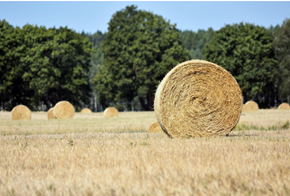
Hot, dry conditions can put extra pressure on every part of the baling process. Across inland Australia, high temperatures, dry crop material and long baling runs can contribute to unstable bales, excessive tension and twine failures. Choosing suitable baler twine Australia products is therefore only part of the solution. Bale density, crop moisture, knotter settings and handling practices also influence whether a bale stays intact after leaving the chamber. For outback pastoralists, understanding these factors can help reduce bale burst, minimise waste and keep baling equipment running reliably during demanding summer conditions.
Why Bale Burst Happens in Hot Weather
A bale can expand after compression when the material inside attempts to recover its natural shape. This can place extra load on the twine, especially when the bale is densely packed, or the crop is springy and hard to compress.
Heat itself does not mean every bale will burst. However, hot conditions often coincide with very dry crop material, rapid baling and long working periods. These factors can expose weaknesses in bale formation or tying.
Poor knot security is another common concern. If the twine is under excessive tension, incorrectly threaded or poorly matched to the baler, knots may slip or break as the bale relaxes.
Choose Twine for the Baling Job
Selecting agricultural binding material products for Australia should start with the baler and crop requirements, rather than simply choosing the strongest-looking option.
Consider:
● Bale density: High-density bales require twine that can withstand substantial tension.
● Crop type: Coarse grasses and dense hay can place different demands on twine compared with softer forage.
● Baler specifications: Follow the manufacturer’s recommendations for suitable twine size and strength.
● Knotter performance: Twine must feed consistently through the knotter and form secure knots.
● Storage conditions: UV-stabilised synthetic twine can be useful where tied bales will remain outdoors for extended periods.
Using excessively light twine can increase the risk of breakage, while unsuitable heavy twine may create feeding or knotter problems.
How to Prevent Bale Burst Hot Weather Baling Inland
To prevent bale burst in hot weather baling inland, focus on consistent bale formation rather than relying on stronger twine alone.
Monitor Crop Conditions
When practical, avoid baling material that is excessively dry and brittle. Extremely dry forage can behave differently during compression and may produce bales that relax noticeably after tying.
Windrows should also be reasonably consistent. Large variations in crop volume can create uneven bale density, increasing stress on individual twine strands.
Check Baler Settings
Before a long summer run, inspect the knotter, needles, twine discs, tension system and bale chamber. Follow the equipment manufacturer’s recommended settings rather than increasing twine tension to make tighter bales.
If bales repeatedly burst, investigate the cause instead of continuing to increase compression or twine tension.
Allow for Bale Expansion
A bale may change shape slightly after leaving the chamber as internal pressure is released. Correctly formed bales should remain securely tied during this process.
If twine consistently breaks shortly after ejection, check whether bale density, knot formation, or twine specification is causing excessive strain.
Handling and Storage Matter
Good baling practices continue after the bale leaves the machine. Avoid dropping or dragging freshly made bales unnecessarily, particularly when they are tightly compressed.
For outdoor storage, position bales on a suitable surface and, where appropriate, protect them from prolonged exposure. Select baler twine Australia products intended for agricultural use with the expected storage environment and UV exposure in mind.
Regularly inspect stored bales for loose knots, broken strands or visible distortion. Early detection can prevent a small tying problem from becoming significant feed or handling losses.
Keep Bale Stability a Priority
Reliable baling in Australia’s hot inland regions depends on more than twine strength. Correct crop conditions, consistent windrows, suitable bale density, properly maintained knotters and the right baler twine Australia product all work together to keep bales secure.
If you are experiencing burst bales during hot-weather runs, review the entire baling setup before changing only the twine. Speak with your agricultural machinery or twine supplier about the baler model, crop type, bale density and expected storage conditions to identify a suitable tying solution.
—
FAQs
1. Why do bales burst in hot weather?
Bales can relax and expand after compression, placing additional stress on twine and knots. Excessive density, unsuitable crop conditions or poor knot formation can increase the risk.
2. How can I prevent bale burst in hot weather baling inland?
Use suitable twine, maintain consistent windrows, follow the baler’s recommended settings and regularly inspect the knotter and tying system.
3. Is stronger baler twine always better?
Not necessarily. Twine must match the baler, crop and bale density. Incorrect twine can create feeding or knotter problems even when its rated strength is high.
4. Does very dry hay affect bale stability?
Yes. Very dry material can behave differently during compression and may contribute to bale relaxation or inconsistent formation. Consider crop conditions when setting up a baler.
5. What should I check if twine keeps breaking?
Inspect twine routing, knot formation, knotter components, bale density and chamber settings. Also confirm that the twine specification matches the baler and crop.