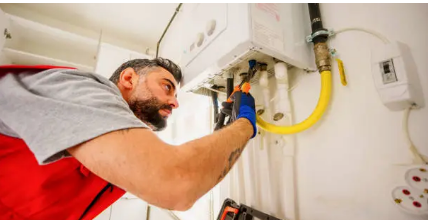

Gas Connections Adelaide’ Policies, Rebates, and Regulations Every Adelaide Property Owner Should Know

If you’re planning a new build, renovating an existing property, or upgrading your energy system, understanding gas connections Adelaide requirements can help you avoid delays, unexpected costs, and compliance issues. Adelaide property owners must consider local regulations, available rebates, safety standards, and installation requirements before connecting to the natural gas network. By staying informed, you can make confident decisions that improve energy efficiency while ensuring your gas connection is completed safely and legally.

Why Understanding Gas Connection Requirements Matters

Connecting a property to the natural gas network is more than simply installing pipes and appliances. Every connection must comply with South Australian regulations designed to protect residents, businesses, and utility infrastructure.

Whether you own a residential home, a commercial building, or an investment property, understanding the approval process helps streamline installation and reduce the likelihood of costly modifications later. Working with licensed professionals ensures every aspect of the project complies with current building and gas safety standards.

Local Policies That Affect Gas Connections

Several policies influence how new gas installations are planned throughout Adelaide. Local councils, utility providers, and state authorities each play a role in determining connection requirements.

Common policy considerations include:

● Property boundary access

● Existing utility infrastructure

● Meter placement requirements

● Environmental considerations

● Building approvals for new developments

● Safety inspections before activation

These policies are designed to maintain safe and reliable gas distribution while supporting sustainable urban development across Adelaide.

Understanding South Australian Gas Regulations

It’s essential to understand how gas connections Adelaide projects are regulated.

Gas installations must comply with the latest Australian Standards, state legislation, and licensing requirements. Only licensed gas fitters are legally permitted to install, modify, or connect gas systems. This protects homeowners from safety hazards such as gas leaks, improper ventilation, and faulty appliance installations.

Regulations typically cover:

● Gas pipe sizing

● Appliance compatibility

● Ventilation requirements

● Pressure testing

● Leak detection

● Emergency shut-off systems

● Final compliance certification

Following these regulations not only improves safety but also protects property owners from insurance complications arising from non-compliant installations.

Available Rebates and Financial Incentives

Depending on government programs and utility initiatives, Adelaide residents may be eligible for rebates or financial incentives when upgrading energy systems or installing eligible gas appliances.

Potential incentives may apply to:

● Energy-efficient hot water systems

● High-efficiency gas heating

● Commercial energy upgrades

● Sustainable building projects

● Home energy improvement programs

Because rebate programs change over time, homeowners should confirm current eligibility before beginning any installation project. A qualified gas professional can often identify opportunities that align with your renovation or construction plans.

Choosing the Right Gas Appliances

Selecting suitable appliances is just as important as installing the connection itself. Modern gas appliances offer improved energy efficiency, helping households reduce operating costs.

Popular gas-powered appliances include:

● Instantaneous hot water systems

● Ducted gas heating

● Gas cooktops

● Ovens

● Outdoor kitchens

● Commercial cooking equipment

Before purchasing appliances, ensure they are compatible with your property’s gas supply and meet Australian safety certification requirements.

Planning for a Smooth Installation

Proper planning helps avoid delays throughout the connection process. Property owners should begin discussions with their licensed gas fitter at the earliest stage of construction or renovation.

Important planning considerations include:

● Location of existing underground services

● Appliance placement

● Future expansion needs

● Gas meter accessibility

● Ventilation requirements

● Landscaping impacts

● Council approvals were required

Early planning also allows sufficient time for inspections and utility coordination before occupancy.

Safety Responsibilities for Property Owners

Around this stage of any installation, maintaining gas connections Adelaide safely becomes an ongoing responsibility rather than a one-time project.

Property owners should schedule regular servicing for gas appliances and have their systems inspected whenever signs of wear or unusual performance appear.

Warning signs include:

● Gas odours

● Yellow or orange flames

● Pilot lights repeatedly extinguishing

● Reduced appliance performance

● Unusual hissing sounds

● Increased gas consumption

Prompt attention to these issues helps prevent larger problems while maintaining efficient appliance performance.

Benefits of Professional Installation

Hiring a licensed gas fitter offers more than regulatory compliance. Professional installers understand Adelaide’s infrastructure, current standards, and best practices for achieving safe, reliable installations.

Professional services often include:

● Site assessment

● Connection design

● Gas appliance installation

● Safety testing

● Compliance documentation

● Final commissioning

● Maintenance recommendations

Experienced professionals can also identify opportunities to improve system efficiency and future-proof your property’s energy needs.

Preparing for Future Energy Needs

As Adelaide continues to invest in cleaner, more efficient energy solutions, many homeowners are planning gas systems that can adapt to future technologies.

Forward-thinking property owners may consider:

● Higher-efficiency appliances

● Smart energy management systems

● Hybrid heating solutions

● Flexible piping layouts for future renovations

● Improved insulation to maximise energy performance

Planning today with future upgrades in mind can reduce renovation costs and minimise disruption later.

Conclusion

Understanding policies, rebates, and regulations is essential to any successful gas installation project. From securing the necessary approvals to selecting efficient appliances and working with licensed professionals, every step contributes to a safer and more reliable energy system.

Whether you’re building a new home or upgrading an existing property, investing time in understanding gas connections Adelaide requirements helps ensure long-term performance, regulatory compliance, and peace of mind for years to come.

Net Wrap for Hay Baling Efficiency in Australia’ A Practical Guide for Farmers

Net wrap plays a critical role in modern Australian agriculture, particularly in hay and silage production across large-scale grazing regions in states such as New South Wales, Victoria, Queensland, and Western Australia. As weather variability increases and harvesting windows become tighter, farmers are relying more on efficient bale handling systems to preserve forage quality and reduce losses. In this context, net wrap has become an essential consumable in round balers, offering faster bale tying, improved weather protection, and more stable storage compared to traditional twine methods.

This article explores how net wrap is used in Australian farming systems, its benefits, selection considerations, and practical tips for maximising bale quality under local conditions.

Understanding Net Wrap in Australian Farming Systems

In Australian hay production, timing is everything. Dry spells can be short, and unexpected rainfall can significantly reduce feed value. This is where net wrap provides a clear advantage.

Net wrap is a polymer-based material applied during the baling process to secure compressed hay or straw into a tight, uniform bale. Unlike twine, which wraps in narrow strands, net wrap covers the bale surface more evenly, helping maintain shape and reducing air ingress.

Across broadacre farms in regions like the Riverina or Darling Downs, the use of net wrap has become standard practice because it reduces baling time and improves throughput during peak harvest periods. Farmers often report fewer stoppages and more consistent bale density when using net systems.

Key Benefits of Net Wrap for Australian Conditions

1. Faster Baling Operations

Time efficiency is critical during Australian harvest seasons. Using net wrap reduces wrapping time per bale compared to twine, allowing operators to cover more hectares per hour.

2. Improved Weather Resistance

Sudden rain events are common in many agricultural zones. A properly applied net wrap layer helps shed moisture more effectively than twine, protecting outer forage layers from spoilage.

3. Better Bale Shape and Stability

Uniform bale shape improves stacking efficiency in storage sheds and transport trucks. Net wrap helps maintain a consistent cylindrical form, reducing deformation during handling.

4. Reduced Feed Loss

Because net wrap holds forage more tightly, there is less leaf loss during movement and storage. This directly improves livestock feed quality.

Selecting the Right Net Wrap for Australian Farms

Choosing the right net wrap product depends on several operational factors:

Bale Size and Density Requirements

Different balers produce bales with different diameters and densities. Farmers must ensure the net wrap width and strength are compatible with their machinery specifications.

Climatic Conditions

In hotter regions such as inland Queensland, UV resistance becomes important. High-quality net wrap is designed to withstand prolonged sun exposure without degrading.

Storage Duration

If bales are stored outdoors for long periods, heavier-duty net wrap options are recommended to maintain integrity over time.

Cost Efficiency

While premium net wrap may cost more upfront, it often reduces total losses and improves efficiency, making it more economical in the long run.

Operational Best Practices for Using Net Wrap

Proper application of bale wrapping systems is essential for maximising performance. Incorrect tension or misalignment can lead to bale failure or material waste.

Maintain Proper Tension Settings

Balers should be calibrated so that net wrap is applied evenly without tearing or slack areas.

Regular Equipment Maintenance

Rollers, cutters, and feed mechanisms must be checked regularly. Worn components can lead to uneven wrapping and increased material usage.

Monitor Bale Moisture Content

For best results, hay should be baled at optimal moisture levels. Overly dry material may not bind well, while overly wet forage can spoil even with net wrap protection.

Environmental Considerations and Sustainability

Sustainability is increasingly important in Australian agriculture. Traditional plastic waste from farming is under scrutiny, and net wrap manufacturers are responding with recyclable, lower-plastic formulations.

Some Australian farming regions now participate in agricultural plastic recycling programs, where used net wrap is collected and processed into industrial plastic products. This reduces landfill pressure and supports circular-economy practices in the agricultural sector.

Farmers are also encouraged to store used net wrap properly and avoid contamination with organic waste to improve recyclability.

Challenges and Limitations of Net Wrap Usage

Despite its advantages, net wrap is not without challenges:

● Cost fluctuations: Prices can vary depending on global polymer markets.

● Machinery compatibility: Older balers may require upgrades to use modern net systems efficiently.

● Disposal requirements: Without access to recycling programs, disposal can be an environmental concern.

However, most Australian producers still find that the operational benefits outweigh these limitations.

Future Trends in Net Wrap Technology

Innovation in agricultural materials is ongoing. The next generation of net wrap is expected to feature:

● Biodegradable polymer blends

● Increased tensile strength with reduced material thickness

● Enhanced UV resistance for extreme climates

● Smart packaging identification for supply chain tracking

These improvements are likely to further enhance efficiency in Australian hay production systems, particularly as farms scale and labour efficiency becomes more critical.

Conclusion

In Australia’s demanding agricultural environment, net wrap has become a cornerstone technology for efficient hay and straw baling. Its ability to improve bale integrity, speed up operations, and reduce feed loss makes it indispensable for modern farming operations.

As innovation continues and sustainability becomes a greater priority, net wrap will likely evolve further, offering even greater performance benefits for Australian producers. For farmers seeking to improve productivity while maintaining high forage quality, adopting the right net wrap strategy is a practical and proven step forward.

Pallet Freezer Spacers for Cold Chain Efficiency in Australia’ How Food-Grade Designs Improve Frozen Logistics

Efficient cold chain logistics are critical to Australia’s food supply industry, particularly for exporters dealing with meat, seafood, dairy, and frozen produce. One of the most overlooked yet essential components in this system is the use of food-grade pallet freezer spacers, which help maintain airflow, hygiene, and temperature stability during storage and transport. In a country where long-distance freight and extreme climate variations are common, these tools play a crucial role in protecting product integrity from warehouse to destination.

This article explores how cold chain operators across Australia are improving efficiency, reducing spoilage, and meeting compliance standards through smarter pallet management systems, including the use of food-grade pallet freezer spacers in modern logistics environments.

Why Cold Chain Efficiency Matters in Australia

Australia’s food distribution network spans vast geographic distances—from farms in regional Queensland and New South Wales to export hubs in Melbourne, Sydney, and Perth. Maintaining consistent sub-zero temperatures throughout this journey is challenging and costly.

Cold storage facilities and transport operators increasingly rely on food-grade pallet freezer spacers to ensure that frozen goods remain properly ventilated while stacked in storage or transit. Without proper airflow, pallets can develop uneven freezing, leading to thawing cycles, ice buildup, and ultimately product degradation.

Beyond quality concerns, Australian food safety regulations require strict compliance with hygiene standards, especially for export-certified goods. This makes proper pallet separation and airflow management not just a best practice but a regulatory necessity.

What Are Pallet Freezer Spacers and Why They Matter

Pallet freezer spacers are specially designed inserts placed between layers of stacked pallets or within pallet loads to allow cold air to circulate evenly. Unlike traditional wooden or plastic blocks, modern food-grade pallet freezer spacers are made from hygienic, washable materials that comply with food safety standards.

In Australian cold storage facilities, these spacers help eliminate “hot spots” where frozen goods may partially thaw due to poor airflow. This is particularly important in industries such as seafood exports from Tasmania or beef processing in Queensland, where product consistency is essential for international markets.

By improving air circulation and load stability, food-grade pallet freezer spacers also reduce energy consumption in refrigeration systems, as cold air is distributed more efficiently throughout the storage environment.

Key Benefits for Australian Logistics Operators

One of the biggest advantages of using pallet spacers in Australia’s cold chain is improved operational efficiency. Warehouses in cities like Brisbane, Melbourne, and Adelaide benefit from reduced product loss and fewer quality control failures.

Key benefits include:

● Improved airflow between pallet layers

● Reduced risk of frost damage or thawing cycles

● Better compliance with HACCP and export standards

● Lower energy usage in freezer facilities

● Increased pallet stability during transport

In addition, modern food-grade pallet freezer spacers are reusable and easy to sanitise, making them a sustainable alternative to disposable packing materials. This aligns with Australia’s growing focus on reducing industrial waste in logistics and food production sectors.

Applications Across the Australian Food Industry

Across Australia, cold chain operators are adopting pallet spacer systems in various sectors. In seafood processing facilities along the South Australian and Tasmanian coasts, spacers ensure that frozen catches remain stable during long storage periods before export.

In dairy production hubs such as Victoria, they help maintain consistent temperatures for bulk cheese and frozen dairy products. Meat exporters in Queensland also rely heavily on these systems to meet strict international shipping requirements.

When properly integrated into warehouse workflows, food-grade pallet freezer spacers help standardise stacking practices, making logistics more predictable and reducing handling errors.

Hygiene, Compliance, and Food Safety Standards

Food safety is a major concern in Australia’s logistics sector, and pallet handling equipment must meet strict hygiene regulations. Traditional materials like untreated wood can harbour bacteria, moisture, and contaminants, making them unsuitable for use in frozen food environments.

This is why food-grade pallet freezer spacers are manufactured using non-porous, washable materials that resist bacterial growth and can withstand repeated cleaning cycles. Facilities that implement these spacers often experience fewer audit issues and improved compliance outcomes during inspections.

As regulatory frameworks continue to tighten, especially for export-certified food products, the demand for reliable cold chain infrastructure is expected to grow significantly.

Sustainability and Long-Term Cost Efficiency

Sustainability is becoming a major priority in Australian logistics. Companies are under increasing pressure to reduce waste, improve energy efficiency, and adopt reusable materials wherever possible.

Switching to durable pallet spacer systems contributes to these goals by minimising disposable packaging waste and improving freezer efficiency. Over time, food-grade pallet freezer spacers help reduce operational costs by lowering energy consumption and reducing product spoilage.

Many logistics providers are also integrating these spacers into automated warehouse systems, further improving handling speed and accuracy.

The Future of Cold Chain Logistics in Australia

As Australia’s food export industry continues to expand, cold chain technology will play an even greater role in maintaining global competitiveness. Innovations in pallet design, airflow management, and material engineering are already reshaping how frozen goods are stored and transported.

Smart warehouses equipped with monitoring systems are beginning to pair temperature sensors with optimised pallet spacing to ensure real-time control over storage conditions.

In this evolving landscape, food-grade pallet freezer spacers will remain a key component in achieving efficiency, safety, and sustainability in cold chain logistics.

Conclusion

From seafood exports in Tasmania to large-scale meat processing in Queensland, Australia’s cold chain industry depends heavily on precision, compliance, and efficiency. Implementing advanced pallet spacing solutions helps businesses protect product quality while reducing operational costs and environmental impact.

As demand for frozen and refrigerated goods continues to grow both domestically and internationally, investing in reliable infrastructure, such as food-grade pallet freezer spacers, is becoming not just an operational upgrade but a strategic necessity for long-term success in the Australian logistics sector.

Outdoor Umbrella Types for Businesses in Auckland, NZ’ A Practical Guide for Commercial Shade Solutions

For many hospitality and retail operators, choosing the right outdoor umbrella is not just about shade—it’s about maximising usable space, protecting customers from Auckland’s variable weather, and reinforcing brand presence. From waterfront cafés in Viaduct Harbour to suburban eateries in Ponsonby and Takapuna, commercial umbrellas play a critical role in how businesses operate outdoors year-round. Understanding the different types of outdoor umbrellas available for business use helps Auckland operators invest in durable, compliant solutions that are well-suited to local conditions.

Auckland’s climate presents a unique mix of strong UV exposure, sudden rain showers, and coastal winds. This makes it essential to select umbrella designs specifically engineered for commercial environments rather than residential use. Below is a detailed overview of the most common outdoor umbrella types used by Auckland businesses and how each serves different operational needs.

Market and Café Umbrellas

Market and café umbrellas are among the most widely used commercial shade solutions across Auckland. These umbrellas feature a centre pole design and are typically installed over café tables or secured with heavy bases. Their simplicity, ease of use, and classic appearance make them ideal for footpath dining areas and alfresco seating.

For cafés in busy precincts like Newmarket or Britomart, this type of outdoor umbrella provides flexible shade that can be opened or closed quickly, depending on the weather. Commercial-grade models are usually constructed from marine-grade aluminium or treated timber, with UV-stabilised and water-resistant canopies designed to withstand daily exposure.

Centre-Post Commercial Umbrellas

Centre-post commercial umbrellas are a more robust evolution of standard café umbrellas. They are designed for larger spaces such as restaurant courtyards, beer gardens, and hotel patios. These umbrellas often feature reinforced frames, thicker poles, and larger canopy spans to cover multiple tables at once.

In Auckland’s hospitality sector, centre-post umbrellas are commonly used in semi-permanent outdoor dining zones where stability and durability are priorities. With proper anchoring and weighted bases, they perform well in moderate wind conditions and can be fitted with gutter systems when installed in clusters, making them suitable for year-round outdoor service.

Cantilever (Offset) Umbrellas

Cantilever umbrellas, also known as offset umbrellas, feature a side-mounted support pole that allows the canopy to extend over seating areas without a central obstruction. This design is particularly popular for restaurants and bars that want uninterrupted table layouts or flexible furniture arrangements.

For Auckland businesses operating in premium locations such as waterfront dining areas or rooftop venues, this outdoor umbrella type offers both functional and aesthetic benefits. Cantilever umbrellas provide wide shade coverage and can often be rotated or tilted to track the sun, which is especially useful during long summer service hours.

Heavy-Duty and Permanent Commercial Umbrellas

Heavy-duty commercial umbrellas are engineered for long-term installation and frequent use. These umbrellas are typically larger, heavier, and more structurally reinforced than standard models. They may be surface-mounted, bolted into concrete, or integrated into custom outdoor structures.

In exposed Auckland locations—such as coastal suburbs or elevated sites—permanent umbrellas are often the preferred option. They are designed to handle stronger wind loads, resist corrosion from salty air, and maintain structural integrity over time. For businesses with fixed outdoor seating, investing in a permanent outdoor umbrella solution can reduce maintenance costs and downtime.

Branded and Custom-Printed Umbrellas

Branded umbrellas serve a dual purpose: providing shade and acting as a marketing asset. Custom-printed canopies featuring logos, colours, or promotional messaging are widely used by cafés, bars, and event-based businesses throughout Auckland.

A well-designed branded outdoor umbrella increases street visibility and reinforces brand identity, particularly in high-traffic areas. For pop-up markets, festivals, and seasonal activations, branded umbrellas offer a cost-effective way to combine functionality with advertising while maintaining a professional appearance.

Key Considerations for Auckland Businesses

When selecting an outdoor umbrella for commercial use, Auckland business owners should consider more than just size and appearance. Wind rating, base weight, fabric quality, and compliance with local council regulations are all critical factors. For example, footpath dining permits may specify clearance heights or maximum coverage areas.

Material choice is also important. Aluminium frames are popular for their corrosion resistance, while high-quality acrylic or polyester fabrics offer superior UV protection and colour longevity in strong New Zealand sunlight. Choosing a commercial-grade outdoor umbrella ensures compliance with health and safety standards while enhancing customer comfort.

Choosing the Right Outdoor Umbrella Type

There is no one-size-fits-all solution for outdoor business umbrellas. A small café in Grey Lynn may benefit from simple market umbrellas, while a large hospitality venue in the CBD may require multiple centre-post or cantilever systems. The right choice depends on space layout, exposure, branding goals, and long-term operational needs.

By understanding the different types of commercial umbrellas available and how they perform in Auckland’s environment, businesses can make informed decisions that improve outdoor usability, protect patrons, and support revenue growth. Investing in the right outdoor umbrella is not just a design choice—it’s a strategic business decision tailored to Auckland’s unique climate and commercial landscape.

Novated Lease Calculator’ How to Save Big on Salary Packaging a Car in Australia

A Novated Lease Calculator: How to Save Big on Salary Packaging a Car in Australia is one of the most searched tools for employees trying to reduce vehicle costs while maximising take-home pay. In Australia, rising fuel prices, insurance premiums, and interest rates have made salary packaging more attractive than ever. A novated lease allows you to bundle car finance, running costs, and tax savings into a single arrangement through your employer.

The novated lease calculator helps estimate these savings before committing, giving you a clearer picture of your potential financial advantage. Instead of guessing, you can see how salary packaging impacts your taxable income and overall budget in real time, which is especially useful for comparing different vehicle options.

Why Australians Are Turning to Novated Leasing

One of the biggest reasons novated leasing is gaining popularity in Australia is its tax efficiency. Since lease payments and running costs are deducted from your pre-tax salary, your taxable income may be significantly reduced. This can translate into thousands of dollars in annual savings depending on your income bracket.

However, many Australians still struggle to understand whether it’s truly worth it. That’s where a novated lease calculator becomes essential—it breaks down costs such as fuel, servicing, registration, insurance, and lease repayments into a simple estimate. It also helps you compare leasing a car versus buying outright or financing through a traditional loan.

For employees in higher tax brackets or frequent drivers, the potential savings can be substantial. Electric vehicle incentives in Australia have also increased interest in novated leasing, as some EVs may benefit from additional tax advantages or exemptions depending on government policy.

How a Novated Lease Calculator Helps You Make Smarter Decisions

A novated lease calculator doesn’t just show monthly repayments—it provides a full breakdown of your financial position before and after salary packaging. This includes your estimated tax savings, fringe benefits tax implications, and total running costs over the lease term.

For example, if you’re comparing two vehicles—one petrol and one electric—the calculator can highlight differences in fuel savings, maintenance costs, and tax efficiency. This helps you avoid choosing a car based solely on sticker price and instead focus on the total cost of ownership.

Another major advantage is budgeting clarity. Many Australians underestimate ongoing vehicle expenses, but the calculator consolidates them into a single, predictable payment. This makes household budgeting easier and reduces the risk of unexpected costs.

By simulating different income levels and vehicle types, you can test multiple scenarios before committing to a lease. This level of insight is especially valuable in Australia’s dynamic automotive and tax environment, where small policy changes can affect long-term savings.

Common Mistakes Australians Make with Novated Leasing

Despite its benefits, novated leasing is often misunderstood. One common mistake is focusing only on tax savings without considering total costs. While salary packaging reduces taxable income, it doesn’t always guarantee the cheapest overall vehicle ownership option.

Another mistake is choosing a car that doesn’t match driving habits. Some drivers underestimate annual mileage, which can lead to higher running costs or lease adjustments. A novated lease calculator helps prevent this by aligning your estimated usage with realistic cost projections.

It’s also important to understand that lease agreements typically lock you in for several years. Early termination can involve penalties, so accurate planning upfront is crucial. Using a calculator reduces this risk by providing a more informed starting point.

Maximising Savings with the Right Strategy

To truly save big, Australians should avoid guesswork when structuring a novated lease. Instead, compare multiple scenarios using different vehicles, lease terms, and salary levels. Small adjustments—such as choosing a more fuel-efficient car or extending the lease term—can significantly impact overall savings.

Timing also matters. Some employers offer better salary packaging arrangements than others, and promotional leasing deals can temporarily improve value. Always run updated figures through a novated lease calculator before making any final decision to ensure the numbers still work in your favour.

Combining novated leasing with government EV incentives or lower running-cost vehicles can further increase savings. The key is to treat it as a financial strategy rather than just a way to buy a car.

Final Thoughts

Novated leasing can be a powerful way for Australians to reduce car ownership costs while improving tax efficiency. However, its true value depends on accurate planning and comparison. A reliable calculator removes uncertainty by showing real-world cost breakdowns tailored to your income and lifestyle.

By taking the time to analyse different scenarios, you can make more informed decisions, avoid costly mistakes, and potentially save thousands over the life of your vehicle.

Bathroom Renovations Adelaide’ 2026 Bathroom Design Trends Transforming Adelaide Homes

In 2026, homeowners are moving beyond simple upgrades and focusing on bathrooms that function as wellness spaces, energy-efficient zones, and design statements. If you are planning bathroom renovations Adelaide, the latest trends are strongly shaped by sustainability, smart technology, and spa-like comfort tailored for modern Australian living in Adelaide, South Australia, Australia. This guide explores the most relevant ideas shaping local renovation projects and how to apply them effectively in your own home.

Smart Luxury Is Defining Modern Bathroom Design

One of the biggest shifts in bathroom renovations Adelaide for 2026 is the integration of smart technology. Homeowners are installing motion-sensor lighting, app-controlled showers, and mirrors with built-in defogging and LED temperature displays. These upgrades are not just about convenience—they also improve water efficiency and reduce long-term utility costs.

Touchless faucets and smart toilets are also becoming standard in high-end renovations. In Adelaide’s climate, where water conservation is increasingly important, these features help households reduce waste while maintaining comfort and hygiene.

Spa-Inspired Bathrooms Are Now the Standard, Not the Luxury

The idea of turning bathrooms into personal wellness retreats has moved from trend to expectation. Many bathroom renovations Adelaide projects now include freestanding bathtubs, rainfall showers, and natural stone finishes to create a calming atmosphere.

Warm neutral palettes—such as sand, beige, and soft greys—are dominating interior choices. Combined with timber accents and textured tiles, these materials help replicate a spa-like environment within everyday homes.

A growing number of Adelaide homeowners are also incorporating aromatherapy steam showers and integrated seating within walk-in showers, making relaxation part of the daily routine rather than an occasional luxury.

Sustainable Materials Are Driving Renovation Choices

Sustainability continues to influence bathroom renovations Adelaide in 2026. Homeowners are prioritising recycled tiles, low-VOC paints, and responsibly sourced timber vanities. Water-saving fixtures are now a baseline expectation rather than an optional upgrade.

Double-glazed bathroom windows, improved insulation behind walls, and energy-efficient exhaust systems are also being used to reduce environmental impact. These choices not only benefit the environment but also help reduce ongoing maintenance and energy costs.

In Adelaide’s dry climate, efficient water usage systems such as dual-flush toilets and flow-restricted showerheads are especially valuable.

Small Bathroom Optimisation Is a Major Focus

Many older Adelaide homes have compact bathrooms, which makes space optimisation a key part of modern bathroom renovations Adelaide planning. Designers are increasingly using wall-mounted vanities, recessed shelving, and frameless glass showers to create the illusion of more space.

Large-format tiles are also popular because they reduce visual clutter and make small bathrooms appear more open. Strategic lighting—especially layered LED lighting—helps eliminate shadows and improves both function and aesthetics.

Even in small spaces, homeowners are prioritising luxury elements such as heated towel rails and underfloor heating to enhance comfort without requiring additional square metres.

Colour Palettes Are Becoming More Natural and Grounded

The 2026 design direction is moving away from stark white bathrooms toward softer, more organic tones. In many bathroom renovations Adelaide projects, earthy greens, clay tones, and muted blues are being introduced to reflect nature-inspired design principles.

Matte black and brushed brass fixtures remain popular, but they are now used more sparingly as accent features rather than dominant design elements. This creates a more balanced and timeless aesthetic that is less likely to feel outdated in a few years.

Texture layering—such as fluted glass, ribbed tiles, and honed stone—is also being used to add depth without overwhelming the space.

Lighting Design Is Becoming a Core Planning Element

Lighting is no longer an afterthought in bathroom renovations Adelaide; it is now central to the design process. Homeowners are opting for multi-layered lighting systems that include task, ambient, and accent lighting.

Backlit mirrors are particularly popular because they provide even illumination for grooming tasks while adding a modern visual effect. Dimmable lighting systems also allow users to shift between bright functional lighting in the morning and softer tones in the evening.

Natural light is being maximised wherever possible through skylights and larger frosted windows, enhancing both mood and energy efficiency.

Choosing the Right Renovation Approach in 2026

Successful bathroom renovations Adelaide projects in 2026 rely heavily on early planning and professional design input. Homeowners are increasingly working with specialists to ensure layouts are efficient, plumbing is future-proofed, and material selections align with long-term durability goals.

A well-designed renovation considers not only aesthetics but also moisture control, ventilation, and accessibility. These technical elements are especially important in Adelaide homes where seasonal humidity changes can affect bathroom longevity.

Investing in quality workmanship at the beginning reduces the risk of costly repairs later and ensures the bathroom remains functional and stylish for years to come.

Final Thoughts

Bathroom design in 2026 is defined by intelligence, sustainability, and comfort. Whether you are upgrading a compact ensuite or redesigning a master bathroom, the latest bathroom renovations Adelaide trends offer a wide range of possibilities that balance practicality with luxury.

By focusing on smart technology, natural materials, efficient layouts, and calming aesthetics, Adelaide homeowners can create bathrooms that are not only visually impressive but also highly functional and future-ready.

Linen Services Adelaide’ Why Businesses in Hawthorn, VIC Rely on Professional Linen Solutions

Maintaining clean, fresh, and high-quality linens is essential for businesses that prioritise customer satisfaction and operational efficiency. From hospitality venues and healthcare facilities to restaurants and event spaces, professional linen services Adelaide providers help organisations maintain impeccable standards without the hassle of managing laundry in-house. Even businesses in Hawthorn, VIC, are increasingly recognising the value of partnering with experienced linen service providers to streamline operations and enhance their professional image.

Whether you’re running a boutique café, a busy restaurant, or a healthcare practice, outsourcing linen management can offer significant benefits that go beyond simple convenience.

The Growing Demand for Professional Linen Services

In today’s competitive business environment, presentation matters. Customers often judge a business based on cleanliness and attention to detail. Fresh tablecloths, spotless towels, crisp bed linens, and hygienic uniforms all contribute to a positive customer experience.

Professional linen providers offer a complete solution that includes laundering, sanitising, delivery, collection, and inventory management. This allows business owners to focus on serving customers rather than worrying about laundry schedules, equipment maintenance, or staffing challenges.

For businesses in Hawthorn, VIC, working with a trusted linen supplier ensures a consistent supply of high-quality linens while maintaining industry hygiene standards.

Cost Savings Through Outsourced Linen Management

Many business owners assume that handling laundry internally is more affordable. However, when factoring in equipment purchases, maintenance, utilities, detergents, labour costs, and replacement expenses, in-house laundering can become surprisingly expensive.

Professional linen services Adelaide providers leverage commercial-scale operations to deliver cost-effective solutions. Businesses can eliminate the need for expensive laundry equipment while reducing water and energy consumption.

Additionally, linen rental programs help organisations avoid large upfront investments in purchasing and maintaining inventory. Instead, they receive professionally maintained linens as part of a predictable service package.

Maintaining Consistent Hygiene Standards

Cleanliness is a critical requirement across multiple industries. Restaurants must provide spotless table linens and napkins, while healthcare facilities need properly sanitised bedding and garments to maintain patient safety.

Professional linen companies use commercial laundry technologies, specialised detergents, and rigorous quality control procedures to ensure every item meets strict hygiene standards. This level of consistency can be difficult to achieve with in-house laundry operations.

Businesses in Hawthorn benefit from reliable linen solutions that support compliance with industry regulations while reinforcing customer confidence.

Supporting Hospitality Businesses in Hawthorn

Hawthorn is home to a vibrant hospitality scene that includes cafés, restaurants, hotels, and event venues. These establishments rely heavily on clean linens to create a welcoming atmosphere for guests.

Tablecloths, napkins, kitchen towels, chef uniforms, and guest linens all require regular cleaning and replacement. Professional linen services help hospitality operators maintain a polished appearance while ensuring sufficient stock is always available during peak periods.

Outsourcing linen management also reduces staff burden, allowing them to focus on delivering exceptional customer service rather than managing laundry.

Flexible Solutions for Different Industries

One of the greatest advantages of professional linen providers is their ability to customise services according to business needs. Different industries require different linen products and service schedules.

For example:

● Restaurants may require daily collection and delivery services.

● Medical facilities often need specialised sanitisation procedures.

● Event venues benefit from flexible linen quantities that can accommodate varying attendance levels.

● Beauty salons and spas require a steady supply of fresh towels and treatment linens.

A tailored approach ensures businesses receive the right products and support without paying for unnecessary services.

Sustainability Benefits of Professional Linen Services

Environmental responsibility has become increasingly important for both businesses and consumers. Professional linen companies often invest in energy-efficient equipment, water recycling systems, and environmentally friendly cleaning processes.

These initiatives help reduce the overall environmental impact associated with laundering large volumes of textiles. Businesses that partner with sustainable providers can also strengthen their own environmental credentials and appeal to environmentally conscious customers.

Choosing professional linen services Adelaide providers can therefore support both operational goals and sustainability objectives.

Improved Inventory Management

Running out of clean linens can disrupt operations and negatively affect customer experiences. Managing inventory internally often requires constant monitoring, ordering, storage, and replacement planning.

Professional linen providers simplify this process by maintaining adequate stock levels and delivering fresh inventory on schedule. Many suppliers also track linen usage and replacement cycles to ensure businesses always have access to quality products.

This proactive inventory management reduces the risk of shortages and helps maintain smooth day-to-day operations.

Enhancing Business Reputation

First impressions matter. Customers notice details such as fresh table settings, crisp uniforms, and clean towels. These elements contribute to perceptions of professionalism, quality, and reliability.

Businesses that consistently present clean, well-maintained linens demonstrate a commitment to excellence. This can lead to improved customer satisfaction, stronger brand reputation, and increased repeat business.

For Hawthorn businesses operating in competitive industries, maintaining high presentation standards can provide a valuable competitive advantage.

Choosing the Right Linen Service Provider

Selecting a linen service provider involves evaluating factors such as service reliability, product quality, flexibility, and customer support. Businesses should look for providers with proven experience, transparent pricing, and the ability to scale services as operational needs evolve.

A strong provider partnership can contribute significantly to business efficiency, helping organisations maintain exceptional cleanliness standards while reducing administrative burdens.

Conclusion

Professional linen solutions offer substantial benefits for businesses seeking efficiency, hygiene, and consistent quality. From reducing operational costs to enhancing customer experiences, outsourcing linen management allows organisations to focus on their core activities while leaving textile care to industry experts.

As businesses in Hawthorn, VIC continue to prioritise cleanliness, presentation, and operational excellence, partnering with trusted linen services Adelaide providers remains a practical and strategic investment. With reliable service, professional laundering, and tailored solutions, businesses can maintain the high standards that customers expect while supporting long-term growth and success.

Linen Services Adelaide’ How Hospitality Businesses in Adelaide Streamline Operations with Professional Linen Solutions

The demand for efficient, hygienic, and reliable textile management has grown significantly across South Australia’s hospitality and healthcare sectors. From boutique hotels in the Adelaide CBD to busy restaurants in Glenelg, and Airbnb operators across suburban Adelaide, maintaining fresh, consistent linen standards is a critical part of daily operations. This is where linen services Adelaide providers play a vital role, offering professional laundering, delivery, and linen hire solutions that reduce operational stress and improve service quality.

Businesses increasingly rely on outsourced linen management to save time, cut costs, and ensure compliance with strict hygiene standards. Instead of managing on-site laundry facilities, many Adelaide operators now partner with specialist services that handle everything from bed sheets and towels to tablecloths and uniforms. This shift allows businesses to focus on customer experience while ensuring their linen requirements are consistently met at a high standard.

Why Linen Management Matters in Adelaide’s Hospitality Sector

Adelaide’s hospitality industry is competitive, with hotels, cafés, and event venues all striving to deliver premium guest experiences. Clean, crisp linen is a visible indicator of quality and professionalism. Any inconsistency—whether it’s stained tablecloths or delayed towel delivery—can negatively impact customer perception.

Professional linen providers help businesses maintain consistency by implementing structured laundering schedules and quality control systems. These services typically include industrial-grade washing, sanitisation processes, and careful packaging to ensure linens arrive in perfect condition. In a city like Adelaide, where tourism and local dining culture are strong economic drivers, maintaining these standards is essential.

Another key advantage is scalability. During peak tourism seasons or large events such as festivals and conventions, demand for linen can surge unexpectedly. Outsourced providers can quickly scale supply to match demand, preventing shortages and operational disruptions.

Operational Efficiency and Cost Savings

One of the main reasons businesses transition to professional linen management is cost efficiency. Running an in-house laundry facility involves significant investment in equipment, maintenance, utilities, and labour. These costs can quickly add up, especially for small and medium-sized businesses.

Outsourcing eliminates these overheads and replaces them with predictable service fees. It also reduces the need for dedicated storage space for bulk linen inventory, freeing up valuable real estate for revenue-generating activities.

At this stage of business optimisation, many operators in South Australia begin to explore how linen services Adelaide providers can integrate directly into their daily workflow. By synchronising pick-up and delivery schedules with business operations, these services minimise downtime and ensure a continuous supply of clean linens without interruption.

Furthermore, outsourcing reduces risks associated with improper laundering, such as fabric damage or hygiene non-compliance. Professional facilities use commercial-grade detergents and regulated processes that meet industry standards, which is particularly important in healthcare and food service environments.

Sustainability and Environmental Considerations

Sustainability has become a growing priority for Adelaide businesses, and linen services are evolving to meet this demand. Many providers now use water-efficient machinery, eco-friendly detergents, and energy-optimised washing systems to reduce environmental impact.

Compared to individual businesses running multiple small-scale laundry cycles, centralised industrial laundering is significantly more efficient. It reduces water consumption per kilogram of linen and lowers overall energy usage. Additionally, modern logistics planning helps minimise transport emissions by optimising delivery routes across Adelaide’s metropolitan areas.

Businesses that adopt outsourced linen solutions often find it easier to align with corporate sustainability goals. This is especially important for hotels and restaurants seeking eco-certifications or appealing to environmentally conscious customers.

Linen Solutions for Different Business Types

Different industries in Adelaide require tailored linen solutions. Hotels typically need large volumes of bed sheets, pillowcases, and towels with rapid turnover cycles. Restaurants focus more on tablecloths, napkins, and kitchen uniforms, while medical and aged-care facilities require strict sterilisation protocols.

A flexible linen service provider can customise offerings based on these needs, ensuring each business receives the appropriate fabric type, cleaning frequency, and delivery schedule. This adaptability is particularly valuable for growing businesses that experience fluctuating demand throughout the year.

Reliable providers also offer contingency support for emergencies, such as sudden occupancy spikes or unexpected equipment failures. This ensures continuity of service even under challenging conditions.

Choosing the Right Linen Partner in Adelaide

Selecting the right provider involves more than just comparing prices. Businesses should consider reliability, turnaround times, hygiene standards, and flexibility. A strong service agreement should clearly outline delivery schedules, quality assurance processes, and contingency support.

Reputation is also a key factor. Established providers with experience in Adelaide’s hospitality and healthcare sectors are more likely to understand local operational challenges and compliance requirements.

Technology integration is another growing trend. Some providers now offer digital tracking systems that allow businesses to monitor deliveries, manage inventory, and forecast linen usage more accurately.

Ultimately, the goal is to form a partnership that supports long-term operational efficiency rather than simply outsourcing a task.

Conclusion

As Adelaide’s hospitality, healthcare, and tourism sectors continue to expand, efficient linen management has become an essential part of operational success. Businesses that rely on consistent fabric quality, compliance with hygiene standards, and reliable supply chains increasingly turn to professional providers to meet these demands. The use of linen services Adelaide solutions enables organisations to streamline operations, reduce costs, and maintain high service standards without the burden of in-house laundry management.

By outsourcing linen responsibilities, businesses gain access to scalable, sustainable, and professionally managed systems that support both daily operations and peak demand periods. In a competitive market like Adelaide, this operational advantage can significantly enhance customer satisfaction and long-term business performance.

Mercedes Service Adelaide’ Expert Care to Keep Your Vehicle at Its Best

Owning a Mercedes is not just about driving a luxury car—it’s about experiencing precision engineering, comfort, and performance at its peak. For drivers in Adelaide, SA, maintaining that standard requires regular and professional Mercedes service. Proper servicing ensures that your vehicle continues to perform safely, efficiently, and reliably while protecting your investment over the long term. Whether it’s routine maintenance, advanced diagnostics, or genuine parts replacement, local Adelaide Mercedes service centres are equipped to meet the needs of every Mercedes owner.

Why Regular Mercedes Service Matters in Adelaide

Mercedes vehicles are engineered with high-performance engines and sophisticated electronics. Without timely servicing, small issues can escalate into costly repairs. Regular Mercedes service includes oil changes, brake inspections, transmission checks, and engine diagnostics. Adelaide drivers face unique conditions—ranging from hot summer temperatures to occasional dusty roads—that can impact vehicle performance. Certified local technicians understand these factors and tailor maintenance programs accordingly, ensuring optimal engine efficiency, brake performance, and overall vehicle longevity.

Certified Technicians and Genuine Parts

One of the key benefits of professional Mercedes service in Adelaide is access to certified technicians and genuine Mercedes parts. Certified mechanics undergo specialised training to handle the advanced systems in Mercedes models, from the C-Class to the S-Class and AMG variants. Using genuine parts is essential, as aftermarket alternatives may compromise performance or void warranties. Adelaide Mercedes service centres provide complete solutions, replacing filters, brake pads, and engine components with manufacturer-approved parts to maintain vehicle integrity.

Advanced Diagnostics and Modern Technology

Modern Mercedes vehicles rely heavily on electronics and computer systems to optimise performance. A professional Mercedes service in Adelaide includes advanced diagnostic testing to detect any hidden issues before they become major problems. These diagnostics can identify engine malfunctions, transmission irregularities, or sensor failures. By leveraging state-of-the-art equipment, local service centers in Adelaide can provide precise repairs and adjustments, ensuring your Mercedes continues to deliver a smooth, safe, and efficient driving experience.

Tailored Service Plans for Adelaide Drivers

Every Mercedes owner has unique driving habits and requirements. Local Adelaide service centres offer customised service plans based on your vehicle’s age, mileage, and usage patterns. From annual inspections to long-term maintenance packages, these plans ensure consistent performance while reducing the risk of unexpected breakdowns. For Adelaide residents, this means peace of mind knowing that your Mercedes is cared for by experts who understand both the car and the local driving environment.

Brake, Engine, and Suspension Expertise

Beyond routine maintenance, Adelaide Mercedes service specialists are trained in more complex systems, including brakes, engines, and suspension components. For example, brake performance is crucial in urban areas and regional drives around Adelaide, where stop-and-go traffic and hilly terrain can affect wear and tear. Technicians check brake pads, rotors, and fluid levels, replacing components as needed. Engine and suspension assessments ensure that acceleration, handling, and ride comfort meet Mercedes’ high standards, keeping every journey safe and enjoyable.

Benefits of Choosing Local Adelaide Service Centres

Opting for a local Mercedes service in Adelaide comes with multiple advantages:

1. Convenience: With multiple certified service centres across the city, appointments and emergency repairs are easily accessible.

2. Expertise: Local technicians understand the specific needs of Mercedes vehicles in Adelaide’s climate and road conditions.

3. Warranty Protection: Using authorised service centres ensures your vehicle remains compliant with Mercedes-Benz warranty requirements.

4. Resale Value: Regular, documented service helps maintain your Mercedes’ resale value, demonstrating care and reliability to prospective buyers.

5.

Scheduling Your Next Mercedes Service

Maintaining a Mercedes in Adelaide is straightforward when you partner with a professional service centre. Routine maintenance should be scheduled based on mileage or annual recommendations, but additional checks may be needed if you notice unusual sounds, warning lights, or changes in performance. Local Mercedes service providers often offer flexible scheduling, competitive pricing, and transparent service reporting, giving you confidence that your vehicle is in expert hands.

Conclusion

For Mercedes owners in Adelaide, SA, regular Mercedes service is more than just a maintenance task—it’s an investment in safety, performance, and longevity. By relying on certified technicians, genuine parts, advanced diagnostics, and tailored service plans, you ensure that your luxury vehicle continues to operate at the highest standards. Whether you’re navigating city streets or exploring regional routes, a professional Mercedes service in Adelaide keeps your car performing as it should, preserving its value and providing peace of mind on every journey.

Stockinette Bags’ Why Stockinette Bags Remain Essential in 2026 for Packing, Transport, and Reducing Produce Damage in Australia

In 2026, efficiency in agricultural packaging is no longer optional in Australia—it is a competitive necessity. Among the most reliable and long-standing solutions are stockinette bags, which continue to play a critical role in protecting produce from farm to retail. Despite advances in packaging technology, stockinette bags remain widely used across Australian horticulture and logistics networks due to their flexibility, breathability, and cost-effectiveness.

From citrus farms in Queensland to onion growers in South Australia and potato producers in Victoria, stockinette bags are still a practical standard for reducing bruising, improving airflow, and streamlining bulk handling across supply chains.

Durable, Flexible, and Cost-Efficient Packaging for Modern Farming

One of the strongest reasons stockinette bags remain relevant is their unmatched balance between durability and flexibility. Unlike rigid containers or fully sealed plastic packaging, stockinette mesh adapts to the shape of produce, minimising pressure points that often lead to bruising or crushing during handling.

In Australia’s large-scale agricultural sector—where produce often travels hundreds or even thousands of kilometres—this cushioning effect is essential. For example, mango growers in Northern Territory and Queensland rely on gentle packaging solutions during long-haul transport to distribution hubs in Sydney and Melbourne.

Another key advantage is airflow. Stockinette’s open-weave structure allows continuous ventilation, reducing moisture buildup and slowing spoilage. This is especially valuable in Australia’s warmer regions, where heat and humidity can quickly degrade fresh produce if improperly packaged.

Cost efficiency also plays a major role. Compared to rigid crates or high-tech vacuum packaging, stockinette bags offer a low-cost, high-volume solution that scales easily for both small farms and large agribusiness exporters.

Why Stockinette Bags Still Outperform Alternatives in 2026

Even as sustainable packaging innovations expand, stockinette bags continue to outperform alternatives in specific agricultural use cases. Their lightweight structure significantly reduces freight weight, a key consideration in Australia’s logistics-intensive produce industry.

Transport companies moving goods across interstate routes—from Perth to Brisbane, for instance—benefit from reduced fuel consumption due to lighter cargo loads. This contributes not only to lower operating costs but also to reduced carbon emissions, aligning with Australia’s increasing focus on sustainable agriculture and transport practices.

In addition, stockinette bags are highly adaptable. They are commonly used for onions, garlic, potatoes, sweet potatoes, and citrus fruits—commodities that dominate Australian domestic and export markets. Their stretchable design allows for variable load sizes without compromising containment integrity.

Unlike rigid packaging, which requires strict sizing and storage configurations, stockinette solutions simplify warehouse logistics. They can be stored compactly, deployed quickly, and used across multiple product categories without requiring specialised handling equipment.

This versatility is a major reason wholesalers and packing facilities continue to rely on them even as newer packaging technologies emerge.

Reducing Produce Damage Across Long Supply Chains

One of the most important performance factors for stockinette bags is their ability to reduce mechanical damage during transport and handling. In Australia’s agricultural supply chain, produce often undergoes multiple touchpoints: harvesting, sorting, packing, transport, wholesale distribution, and retail display.

At each stage, there is potential for impact damage, compression, or vibration-related bruising. Stockinette material absorbs minor shocks while maintaining product visibility, allowing handlers to quickly inspect quality without unpacking.

This is particularly important for export-grade produce. Australian citrus, for example, is often shipped to Asia and the Middle East, where maintaining visual quality and freshness directly affects market value. Even minor bruising can reduce export classification grades and profitability.

Additionally, stockinette bags help reduce condensation buildup during refrigerated transport. Because air circulates freely, moisture does not accumulate within the packaging, reducing the risk of mould and spoilage during extended storage.

Farmers and packing facilities also benefit from reduced sorting losses. By minimising damage at the packaging stage, fewer items are rejected further down the supply chain, improving overall yield efficiency.

The Logistics Advantage: Streamlining Agricultural Distribution

Modern agricultural logistics in Australia depends heavily on speed, consistency, and minimal product loss. Stockinette bags contribute to all three by simplifying packing workflows and improving handling efficiency.

Their lightweight nature allows workers to pack and move produce faster compared to heavier or more rigid packaging systems. This is especially valuable during peak harvest periods when time sensitivity directly impacts profitability.

From a warehouse perspective, stockinette bags also optimise storage space. Because they are flexible and compressible, they reduce the amount of unused air gaps during stacking and palletising. This leads to more efficient container loading, particularly for export shipments where maximising cubic space is essential.

Retailers also benefit from their visibility. The mesh design allows customers and quality controllers to inspect produce without opening packaging, reducing handling damage at the final stage of distribution.

Sustainability and Continued Relevance in 2026

While sustainability is reshaping global packaging trends, stockinette bags remain relevant for their reduced material use and potential for reuse in certain agricultural operations. Many growers now incorporate recyclable or biodegradable options, further aligning with Australian environmental standards.

Unlike more complex packaging systems, stockinette solutions require fewer raw materials to produce and generate less waste by volume. This simplicity contributes to their continued adoption, particularly in regional farming communities where cost and practicality are key decision factors.

Looking ahead, their role is unlikely to disappear. Instead, they are evolving alongside modern agricultural systems—integrated with improved materials and better recycling streams while maintaining their core functional advantages.

Final Thoughts

In 2026, the continued reliance on stockinette bags across Australian agriculture is not a matter of tradition—it is a result of proven performance. Their ability to reduce produce damage, improve airflow, support efficient logistics, and lower transport costs makes them a highly practical solution in a competitive and fast-moving industry.

As supply chains become more complex and sustainability expectations increase, stockinette packaging remains a reliable, adaptable, and cost-effective tool that continues to meet the real-world demands of growers, distributors, and retailers across Australia.