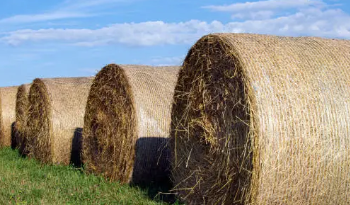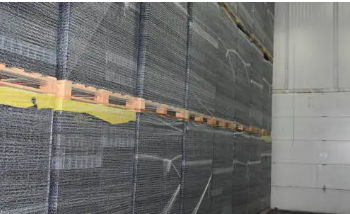

In Australia’s diverse and often harsh climate, farmers and agricultural professionals rely heavily on durable and reliable materials to protect their hay and silage. One critical product in this chain is net wrap Australia, explicitly designed to endure the intense sunlight and variable weather conditions typical across the continent. Understanding the science behind UV-stabilised net wrap is essential for farmers looking to maximise their investment, improve feed quality, and reduce waste. This article delves into the technical aspects and benefits of UV protection in net wrap Australia, ensuring Australian farmers get the best performance from their products.
The Unique Challenges of Australian Climate for Net Wrap
Australia’s climate poses distinct challenges to agricultural packaging. High levels of ultraviolet (UV) radiation, prolonged exposure to the sun, and fluctuating temperatures all contribute to the degradation of materials not engineered explicitly for such conditions. UV rays can break down polymers, causing brittleness, fading, and loss of tensile strength in traditional plastic wraps. This degradation can lead to compromised bale integrity, reduced protection from moisture, and ultimately, feed spoilage.
Because of these factors, net wrap in Australia requires enhanced durability to maintain bale security and protect the nutritional quality of stored fodder over extended periods. UV-stabilised net wrap addresses these issues by incorporating specialised additives and advanced manufacturing processes.
What is UV-Stabilisation and How Does it Work?
UV-stabilisation involves adding chemical compounds to the plastic resin during manufacturing to absorb or block harmful ultraviolet light. These compounds protect the polymer chains from breaking down, thereby extending the lifespan of the net wrap. Common UV stabilisers include hindered amine light stabilisers (HALS), carbon black, and UV absorbers.
- HALS: These act by neutralising free radicals generated by UV exposure before they can damage the plastic structure.
- UV Absorbers: These molecules absorb UV radiation and convert it into low-level heat, which is harmless to the material.
- Carbon Black: This is a pigment with strong UV absorption properties, commonly used in black net wraps, offering excellent protection but less common in the predominantly white or light-colored net wraps used for hay.
By integrating these additives, manufacturers create a net wrap that resists cracking, tearing, and fading—common problems that reduce the protective quality of standard wraps under Australian sun exposure.
Benefits of Using UV-Stabilised Net Wrap in Australia
- Enhanced Durability and Longevity: UV-stabilised net wrap maintains its strength and flexibility even after prolonged sun exposure, ensuring bales remain tightly bound. This reduces bale damage during handling and transport, lowering feed loss and waste.
- Improved Feed Quality Protection: Bales wrapped with UV-protected net wrap resist moisture ingress and contamination better. By preserving bale integrity, the nutritional content of hay and silage is maintained, which is critical for livestock health and productivity.
- Cost Efficiency Over Time: While UV-stabilised net wrap may have a higher upfront cost, its durability means fewer replacements and less feed spoilage. This translates to significant savings over multiple harvest seasons.
Tailoring Net Wrap for Australian Agriculture
Australia’s vast agricultural regions—from the tropical north to the temperate south—have varied conditions, and manufacturers often tailor net wrap formulations accordingly. For example, net wrap used in northern Queensland must endure intense sunlight and heavy rains, while that used in southern Victoria needs resilience against cooler temperatures and occasional frosts.
Farmers can select net wrap with specific UV stabilisation grades and tensile strengths that match their regional climate and harvesting schedules. This regional customisation ensures the net wrap Australia farmers use is optimised for maximum performance and longevity.
Sustainability Considerations and Innovations
With increasing awareness of environmental impact, manufacturers of UV-stabilised net wrap are investing in more sustainable production methods and recyclable materials. Some products now incorporate recycled polymers and are designed to be easier to recycle after use, aligning with Australia’s commitment to reducing plastic waste in farming.
Furthermore, innovations such as biodegradable UV stabilisers and thinner but stronger net wraps are emerging, offering the dual benefits of protection and environmental responsibility.
Choosing the Right Net Wrap for Your Needs
Selecting the right net wrap involves considering:
- The type of crop being baled (hay, silage, straw)
- Expected storage duration
- Local climatic conditions
- Equipment compatibility and wrapping speed
- Budget constraints balanced against long-term savings.
Working with suppliers knowledgeable about net wrap Australia products and their UV stabilisation properties can help farmers make informed decisions tailored to their operation.
In conclusion, the science behind UV-stabilised net wrap is a blend of chemistry, material science, and practical agricultural needs that come together to meet the demands of Australia’s unique environment. Investing in high-quality, UV-resistant net wrap ensures better bale protection, maintains feed quality, and supports the overall sustainability and profitability of Australian farming. As the agricultural sector continues to evolve, so too will the innovations in net wrap technology, providing ever greater benefits to farmers across the country.