
Asbestos Inspection Adelaide’ How to Identify and Choose the Most Reliable Asbestos Inspection Service in South Australia

When it comes to property safety in Adelaide, few concerns carry as much weight as asbestos. Once widely used for insulation and fireproofing, asbestos now poses serious health risks when disturbed. Whether you’re renovating, buying, or managing a property, finding the most reliable asbestos inspection service in Adelaide, SA, is crucial to ensuring your home or workplace is safe and compliant with local regulations. With strict state laws governing asbestos management, understanding what makes an inspection service trustworthy can help you make an informed choice that protects your property and everyone in it.

Understanding the Importance of Professional Asbestos Inspection

Adelaide’s architectural history, particularly its older suburbs like Unley, Norwood, and Glenelg, features many homes built before the 1990s — a period when asbestos-containing materials were still commonly used. Asbestos can be found in roofing, wall sheeting, flooring, and even fences. Professional asbestos inspection is essential not only to detect its presence but also to ensure safe handling and compliance with South Australia’s Work Health and Safety (WHS) regulations.

Engaging the most reliable asbestos inspection team means hiring experts who are trained to accurately identify asbestos, collect safe samples, and provide laboratory-tested results. Their reports can make all the difference in determining whether removal is required or if encapsulation and monitoring are sufficient. A quality inspection prevents unnecessary exposure and gives you peace of mind before starting any renovation or demolition project.

What Makes an Asbestos Inspection Reliable?

Not all inspection services are equal. The most reliable asbestos inspection providers in Adelaide share a few defining characteristics that set them apart. Firstly, they hold the appropriate licenses from SafeWork SA — this ensures that they’re legally permitted to handle and test asbestos materials. Secondly, they provide a detailed written report outlining the location, condition, and type of asbestos found, complete with laboratory analysis conducted by a NATA-accredited facility.

Another key indicator of reliability is transparency. Reputable asbestos inspectors are upfront about their process, turnaround time, and pricing. They will also explain the results clearly and guide next steps — whether that means removal, sealing, or simple monitoring.

Avoid contractors who offer unusually cheap quotes or lack verifiable references. Asbestos inspection requires specialised training, protective gear, and partnerships with laboratories. Choosing based solely on price could result in incomplete or inaccurate testing, putting both health and finances at risk.

How to Choose the Right Inspection Service in Adelaide, SA

When searching for the most reliable asbestos inspection in Adelaide, start by checking the company’s credentials. Ensure they are licensed asbestos assessors recognised by SafeWork SA and that their inspectors carry valid asbestos awareness and safety certificates.

It’s also wise to ask about their inspection process. A dependable service should include:

● A visual site assessment and collection of samples.

● Laboratory testing by a certified lab.

● A detailed report specifying the type, location, and risk level of any asbestos found.

● Expert recommendations for management or removal.

Finally, confirm whether the company offers independent inspection services. Some firms test for and remove asbestos, which could create a conflict of interest. An independent inspection service ensures unbiased reporting and genuine safety recommendations.

Red Flags to Watch Out For

Even in Adelaide’s regulated market, some operators may cut corners. Be cautious of companies that:

● Do not provide written reports or lab test results.

● Claim they can “visually confirm” asbestos without testing.

● Offer same-day removals immediately after inspection (without analysis).

● Lack clear proof of SafeWork SA licensing or insurance.

The most reliable asbestos inspection services operate with professionalism, transparency, and accountability. They prioritise safety over sales and ensure verifiable data back all findings. Checking for these red flags before hiring can prevent unnecessary risks and costly errors down the line.

Local Insight: Why Adelaide Properties Need Extra Caution

Adelaide’s climate and construction trends contribute to asbestos-related concerns that differ from those of other Australian cities. The city’s mix of heritage-listed homes and mid-century properties often means asbestos is hidden in unexpected areas — under eaves, in old cement water tanks, or behind bathroom tiles. Moreover, dry conditions can accelerate the degradation of old materials, releasing hazardous fibres if disturbed.

Homeowners, landlords, and property managers should schedule regular inspections, especially before renovations or when purchasing older properties. By hiring the most reliable asbestos inspection service in Adelaide, you’re not just complying with regulations — you’re safeguarding your investment and the well-being of everyone who lives or works there.

Final Thoughts: Investing in Safety and Compliance

Finding the right asbestos inspection service in Adelaide, SA, isn’t simply about ticking off a compliance checklist. It’s about protecting health, property value, and long-term peace of mind. The most reliable asbestos inspection companies combine technical expertise, local knowledge, and a genuine commitment to client safety.

Before hiring an inspector, verify their qualifications, review their reports, and ask the necessary questions. Adelaide residents have access to a range of accredited and trustworthy professionals who can ensure your property is asbestos-safe. With the right team by your side, you can move forward with your renovations or property purchase confidently — knowing that your home or business meets the highest safety standards in South Australia.
The Benefits of Asbestos Removal

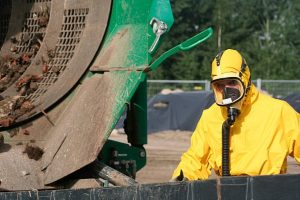
If you have an asbestos-containing building, you may have considered hiring professionals for asbestos removal. Asbestos removal involves the proper marking of the material as hazardous waste. If not removed properly, the mineral shards may become airborne and cause people to contract asbestosis. It also damages lung tissue. Here are some of the advantages of asbestos removal in Adelaide. 

Health hazards

asbestos removal in AdelaideAsbestos is not harmful when touched, but you can become ill if you inhale the fibres. When disturbed, asbestos releases fibres that can lodge deep in your lungs and can lead to many different kinds of lung diseases. In severe cases, you can develop cancer or mesothelioma. So if you are exposed to asbestos, you must get it removed as soon as possible.

Before the EPA banned asbestos in the 1980s, almost all U.S. companies used the mineral, which is still found in millions of older buildings. In addition, many countries continue to manufacture asbestos-containing products. Asbestos exposure is highest in skilled trades and manual labour occupations. Workers in shipyards, factories, and construction sites are at risk. Additionally, asbestos harms U.S. veterans’ health, as their clothing and equipment may contain asbestos.

Asbestos-containing products are particularly harmful. For example, resistant floor tiles and adhesives used to install them can release asbestos fibres. Moreover, removing and sanding old appliances may cause the release of fibres. Lastly, it would be best if you always avoided contact with asbestos-containing materials, including pipes, cement, and roofing. If you already have asbestos in your home, it’s essential to know the risks of asbestos removal.

Asbestos exposure is often caused by repeated exposure to the substance. Asbestos exposure is considered long-term if it happens consistently over a long period. Exposure to asbestos during the construction or demolition of a building is the most common type of occupational exposure. Secondary asbestos exposure comes from the workers’ own homes or natural deposits. If you are exposed to asbestos on the job site, you could bring it home, which increases your risk of health complications.

Asbestos exposure poses the highest health risk. Asbestos fibres become airborne and stay in the lungs. These fibres cause disease over time, and the amount of exposure will determine your risk. Asbestos-related disease is a common cause of death for people exposed to asbestos. It’s estimated that millions of Americans have been exposed to asbestos since the 1940s. Asbestos-contaminated brake linings and cement products were still being installed until the 1990s. Only recently has the use of asbestos been phased out of cars.

Costs

Asbestos removal is a big job, and knowing what to expect is essential. Asbestos is a dangerous substance that can cause respiratory problems and environmental hazards. In ensuring the safety of both workers and the environment, it’s best to hire a professional agency to handle the job. The costs of asbestos removal vary by state, but regional regulations generally govern them. To understand the costs involved, consider the following tips:

The price of asbestos removal depends on the type of material, location, and time of the job. External cladding removal, for example, can cost anywhere from $35 to $50 per square meter, while internal cladding removal, eaves, and ceilings can cost as much as $100 per square meter. Therefore, you can expect to pay between $100 and $300 per square meter for commercial projects. In addition to these estimates, you should consider the contractor’s experience and ability to use safe methods. The prices vary significantly from job to job, so it’s best to seek professional advice to avoid unwanted surprises.

Asbestos inspections are a costly part of any asbestos removal project. Depending on the severity of the asbestos contamination, these inspections can cost anywhere from $600 to $1000. Often, it’s cheaper to hire a professional company that conducts a thorough inspection and samples from the affected areas. However, asbestos removal can be expensive if there’s significant damage.

While some companies offer a cost-effective, temporary solution, you may still be left with a long-term problem. If you’re looking for a long-term solution, consider hiring a licensed contractor for asbestos removal. However, remember that asbestos removal is a considerable safety risk. As a result, you should always choose a company with all the relevant licenses and insurance to perform the task safely.

While asbestos removal isn’t always necessary, it’s a wise investment for your health and the environment. The health risks of asbestos exposure are significant and can take up to 40 years to manifest. In addition, inhaling the asbestos particles can cause lung and stomach cancer, and it’s impossible to avoid it altogether. But you don’t have to hire a company to remove asbestos from your home if there’s water damage.

Reducing exposure to asbestos fibres

Asbestos is the most common cause of lung cancer in the United States, and it was first used in the early 1900s to insulate steam engines. After World War II, asbestos was used extensively in construction, including roofing, cement, tiles, and insulation. In addition, schools were constructed with asbestos-containing materials. These materials were often used for decoration, soundproofing, and fireproofing.

The primary route of asbestos exposure is through the air. The body’s natural defences remove most fibres when inhaled, but some lodge deep in the lungs and may not be removed entirely. As a result, exposure will not necessarily cause immediate harm since the effects can take decades to manifest. However, the reduced exposure to asbestos fibres benefits of asbestos removal should not be underestimated.

Besides reducing the risk of lung cancer, reduced exposure to asbestos fibres has many other benefits. For example, asbestos removal can reduce the amount of dust in the air. However, in addition to reducing exposure to fibres, asbestos removal can also increase the air quality in the home or building. Depending on the type of asbestos, it may result in increased pollution. Therefore, asbestos removal should be performed by a professional.

The main benefit of asbestos removal is reduced exposure to fibres. However, asbestos fibres are microscopic and easily inhaled, causing an increased risk of lung cancer and mesothelioma. This form of cancer can be fatal if inhaled in high doses. Nevertheless, it is essential to note that there are no known symptoms of asbestos exposure in the short term.

If the EPA has ruled that the presence of asbestos is a health risk, a professional inspection is necessary to determine whether it is present in the home. A licensed asbestos inspector can take samples and determine if the asbestos removal is safe and effective. Accredited contractors are skilled in asbestos removal and repair. In addition, people should avoid removing asbestos themselves, as it can lead to excessive exposure.

Reducing the risk of mesothelioma

If you’ve worked in a building that contains asbestos, you’ve likely been exposed to the material. You may have even experienced breathing problems and tightness in the chest. You may have noticed bluish skin due to lack of oxygen. Symptoms typically worsen over time, and you may experience respiratory failure or death. A mesothelioma blood test, or MESOMARK test, can detect cancer before symptoms appear. It’s essential to see your doctor as soon as you notice any new symptoms.

Asbestos exposure can damage the body in various ways, with the most common route being through the air. When asbestos fibres reach the lungs, they are cleared by coughing up mucous. However, when a person breathes in asbestos, they may be exposed to smaller fibres in the digestive system, which are then eliminated in the urine. As a result, many individuals with the asbestos-related disease are now aware of the health risks associated with the material.

While there are many possible risks associated with asbestos exposure, no one knows how long it takes for the disease to develop. Current occupational and environmental airborne concentrations of asbestos are too low to estimate risk reliably. The Inhaled Particle Study (IPS) aimed to determine a linear relationship between asbestos lung burden and mesothelioma risk and to predict future rates using these data.

Although the study matched the participants by their asbestos exposures, most cases were exposed to asbestos after their ALR. After 45 years of exposure, mesothelioma’s risk increased proportionally over time. Although this study represents a large proportion of asbestos workers in Great Britain, it also considers smoking and industry-specific working practices. While the results are encouraging, the study must be replicated.

A new study from the University of Manchester reports that the reduced risk of mesothelioma after asbestos removal is based on studies of workers exposed to asbestos. The World Health Organization and the International Agency for Research on Cancer published monographs in 2008.