
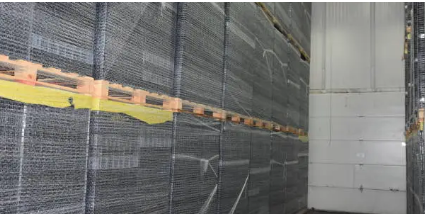
Efficient cold chain logistics are critical to Australia’s food supply industry, particularly for exporters dealing with meat, seafood, dairy, and frozen produce. One of the most overlooked yet essential components in this system is the use of food-grade pallet freezer spacers, which help maintain airflow, hygiene, and temperature stability during storage and transport. In a country where long-distance freight and extreme climate variations are common, these tools play a crucial role in protecting product integrity from warehouse to destination.
This article explores how cold chain operators across Australia are improving efficiency, reducing spoilage, and meeting compliance standards through smarter pallet management systems, including the use of food-grade pallet freezer spacers in modern logistics environments.
Why Cold Chain Efficiency Matters in Australia
Australia’s food distribution network spans vast geographic distances—from farms in regional Queensland and New South Wales to export hubs in Melbourne, Sydney, and Perth. Maintaining consistent sub-zero temperatures throughout this journey is challenging and costly.
Cold storage facilities and transport operators increasingly rely on food-grade pallet freezer spacers to ensure that frozen goods remain properly ventilated while stacked in storage or transit. Without proper airflow, pallets can develop uneven freezing, leading to thawing cycles, ice buildup, and ultimately product degradation.
Beyond quality concerns, Australian food safety regulations require strict compliance with hygiene standards, especially for export-certified goods. This makes proper pallet separation and airflow management not just a best practice but a regulatory necessity.
What Are Pallet Freezer Spacers and Why They Matter
Pallet freezer spacers are specially designed inserts placed between layers of stacked pallets or within pallet loads to allow cold air to circulate evenly. Unlike traditional wooden or plastic blocks, modern food-grade pallet freezer spacers are made from hygienic, washable materials that comply with food safety standards.
In Australian cold storage facilities, these spacers help eliminate “hot spots” where frozen goods may partially thaw due to poor airflow. This is particularly important in industries such as seafood exports from Tasmania or beef processing in Queensland, where product consistency is essential for international markets.
By improving air circulation and load stability, food-grade pallet freezer spacers also reduce energy consumption in refrigeration systems, as cold air is distributed more efficiently throughout the storage environment.
Key Benefits for Australian Logistics Operators
One of the biggest advantages of using pallet spacers in Australia’s cold chain is improved operational efficiency. Warehouses in cities like Brisbane, Melbourne, and Adelaide benefit from reduced product loss and fewer quality control failures.
Key benefits include:
● Improved airflow between pallet layers
● Reduced risk of frost damage or thawing cycles
● Better compliance with HACCP and export standards
● Lower energy usage in freezer facilities
● Increased pallet stability during transport
In addition, modern food-grade pallet freezer spacers are reusable and easy to sanitise, making them a sustainable alternative to disposable packing materials. This aligns with Australia’s growing focus on reducing industrial waste in logistics and food production sectors.
Applications Across the Australian Food Industry
Across Australia, cold chain operators are adopting pallet spacer systems in various sectors. In seafood processing facilities along the South Australian and Tasmanian coasts, spacers ensure that frozen catches remain stable during long storage periods before export.
In dairy production hubs such as Victoria, they help maintain consistent temperatures for bulk cheese and frozen dairy products. Meat exporters in Queensland also rely heavily on these systems to meet strict international shipping requirements.
When properly integrated into warehouse workflows, food-grade pallet freezer spacers help standardise stacking practices, making logistics more predictable and reducing handling errors.
Hygiene, Compliance, and Food Safety Standards
Food safety is a major concern in Australia’s logistics sector, and pallet handling equipment must meet strict hygiene regulations. Traditional materials like untreated wood can harbour bacteria, moisture, and contaminants, making them unsuitable for use in frozen food environments.
This is why food-grade pallet freezer spacers are manufactured using non-porous, washable materials that resist bacterial growth and can withstand repeated cleaning cycles. Facilities that implement these spacers often experience fewer audit issues and improved compliance outcomes during inspections.
As regulatory frameworks continue to tighten, especially for export-certified food products, the demand for reliable cold chain infrastructure is expected to grow significantly.
Sustainability and Long-Term Cost Efficiency
Sustainability is becoming a major priority in Australian logistics. Companies are under increasing pressure to reduce waste, improve energy efficiency, and adopt reusable materials wherever possible.
Switching to durable pallet spacer systems contributes to these goals by minimising disposable packaging waste and improving freezer efficiency. Over time, food-grade pallet freezer spacers help reduce operational costs by lowering energy consumption and reducing product spoilage.
Many logistics providers are also integrating these spacers into automated warehouse systems, further improving handling speed and accuracy.
The Future of Cold Chain Logistics in Australia
As Australia’s food export industry continues to expand, cold chain technology will play an even greater role in maintaining global competitiveness. Innovations in pallet design, airflow management, and material engineering are already reshaping how frozen goods are stored and transported.
Smart warehouses equipped with monitoring systems are beginning to pair temperature sensors with optimised pallet spacing to ensure real-time control over storage conditions.
In this evolving landscape, food-grade pallet freezer spacers will remain a key component in achieving efficiency, safety, and sustainability in cold chain logistics.
Conclusion
From seafood exports in Tasmania to large-scale meat processing in Queensland, Australia’s cold chain industry depends heavily on precision, compliance, and efficiency. Implementing advanced pallet spacing solutions helps businesses protect product quality while reducing operational costs and environmental impact.
As demand for frozen and refrigerated goods continues to grow both domestically and internationally, investing in reliable infrastructure, such as food-grade pallet freezer spacers, is becoming not just an operational upgrade but a strategic necessity for long-term success in the Australian logistics sector.