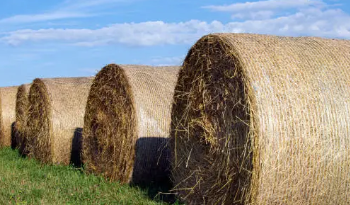

For Australian farmers, bale wrap is an essential tool in preserving the quality of hay and silage. Properly using bale wrap ensures that livestock feed maintains its nutritional value while minimising spoilage and waste. Whether you operate in the dry paddocks of Western Australia, the lush pastures of Victoria, or the variable climate of Queensland, understanding the proper methods of bale wrapping can significantly improve efficiency and cost-effectiveness. This guide provides practical advice on selecting, applying, and managing bale wrap to meet the unique needs of Australian farming conditions.
Choosing the Right Bale Wrap for Australian Conditions
Selecting the appropriate bale wrap starts with understanding your farm’s climate and storage conditions. Australian farmers face diverse weather challenges, from intense sun exposure in northern regions to wet, humid conditions in the east. UV-resistant bale wrap is recommended for prolonged outdoor storage, as it protects bales from sun degradation while maintaining airtight sealing. For wetter regions, thicker, multi-layered wraps can prevent moisture infiltration, which is crucial to avoid mould growth.
Step-by-Step Guide to Proper Bale Wrapping
1. Prepare the Bales: Ensure that bales are dry or slightly moist, depending on whether you are wrapping hay or silage. Bales that are too wet can ferment improperly, leading to feed spoilage.
2. Position the Wrapper: Place the bale on a wrapper designed for your bale size. In Australia, most farms use either table or bale arm wrappers. Check that the machinery is level to avoid uneven wrapping.
3. Apply the Bale Wrap: Start wrapping with a 50-70% overlap to ensure an airtight seal. For silage, multiple layers (usually 4-6) are recommended to prevent oxygen ingress, which can lead to spoilage.
4. Seal the Ends: Properly sealing the ends is crucial. Fold the wrap tightly and tuck the edges under the bale to prevent wind and moisture from entering.
5. Inspect Regularly: Even after wrapping, bales should be checked regularly for tears or punctures. Repair any damage promptly using additional wrap or adhesive tape designed for bale repair.
Common Mistakes to Avoid
Many Australian farmers unintentionally compromise feed quality through improper bale wrap techniques. Common errors include:
● Using insufficient wrap layers – this allows air to penetrate, leading to mould or spoilage.
● Wrapping wet bales excessively – moisture can cause fermentation issues, especially in humid regions like northern Queensland.
● Ignoring storage placement – bales stored directly on the ground without pallets or drainage are prone to moisture damage from rainfall.
By avoiding these mistakes, you can ensure your livestock receives high-quality feed year-round.
Environmental Considerations in Australia
Bale wrap disposal has become an important environmental issue for Australian farmers. Traditional polyethylene wraps are not biodegradable and can accumulate in paddocks if not properly managed. Farmers are increasingly turning to recycled or biodegradable options to reduce environmental impact. Many local councils and agricultural suppliers offer collection programs for used bale wrap. Following these programs not only helps the environment but also prevents potential hazards to livestock and machinery.
Regional Tips for Australian Farmers
● Victoria & Tasmania: These wetter regions require extra attention to water ingress. Use thicker wraps and store bales on elevated pallets or gravel pads.
● Queensland & Northern NSW: UV exposure is high, so invest in UV-stabilised wraps and consider temporary shade structures to prolong wrap integrity.
● Western & South Australia: Dry conditions allow for longer storage, but strong winds may necessitate extra layers or secure tying of bales to prevent wrap damage.
Maximising Bale Wrap Efficiency
Efficiency with bale wrap is not just about proper application but also about planning your feed requirements. Wrap only the quantity you expect to use within a certain timeframe to minimise prolonged storage and potential spoilage. Coordinating bale production with livestock feeding schedules helps reduce waste and ensures optimal feed quality.
Additionally, training farm staff in proper bale-wrapping techniques can lead to more consistent results and reduce costs associated with improperly wrapped bales. Many Australian agricultural suppliers offer demonstrations and training sessions for farmers to master bale wrap usage.
Conclusion
For Australian farmers, mastering bale wrap techniques is essential to maintaining high-quality livestock feed and maximizing operational efficiency. By selecting the right wrap for your climate, following proper application methods, avoiding common mistakes, and considering environmental disposal options, you can ensure your bales remain nutritious and well-preserved throughout the year. Whether you are in the humid coasts of Queensland or the dry plains of South Australia, implementing these practices will help secure better feed outcomes and a more sustainable farm operation.
Proper bale wrap management is an investment in both feed quality and farm sustainability, ensuring that Australian livestock farmers can make the most of their resources while minimising waste and environmental impact.