
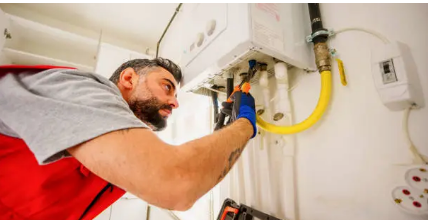
If you’re planning a new build, renovating an existing property, or upgrading your energy system, understanding gas connections Adelaide requirements can help you avoid delays, unexpected costs, and compliance issues. Adelaide property owners must consider local regulations, available rebates, safety standards, and installation requirements before connecting to the natural gas network. By staying informed, you can make confident decisions that improve energy efficiency while ensuring your gas connection is completed safely and legally.
Why Understanding Gas Connection Requirements Matters
Connecting a property to the natural gas network is more than simply installing pipes and appliances. Every connection must comply with South Australian regulations designed to protect residents, businesses, and utility infrastructure.
Whether you own a residential home, a commercial building, or an investment property, understanding the approval process helps streamline installation and reduce the likelihood of costly modifications later. Working with licensed professionals ensures every aspect of the project complies with current building and gas safety standards.
Local Policies That Affect Gas Connections
Several policies influence how new gas installations are planned throughout Adelaide. Local councils, utility providers, and state authorities each play a role in determining connection requirements.
Common policy considerations include:
● Property boundary access
● Existing utility infrastructure
● Meter placement requirements
● Environmental considerations
● Building approvals for new developments
● Safety inspections before activation
These policies are designed to maintain safe and reliable gas distribution while supporting sustainable urban development across Adelaide.
Understanding South Australian Gas Regulations
It’s essential to understand how gas connections Adelaide projects are regulated.
Gas installations must comply with the latest Australian Standards, state legislation, and licensing requirements. Only licensed gas fitters are legally permitted to install, modify, or connect gas systems. This protects homeowners from safety hazards such as gas leaks, improper ventilation, and faulty appliance installations.
Regulations typically cover:
● Gas pipe sizing
● Appliance compatibility
● Ventilation requirements
● Pressure testing
● Leak detection
● Emergency shut-off systems
● Final compliance certification
Following these regulations not only improves safety but also protects property owners from insurance complications arising from non-compliant installations.
Available Rebates and Financial Incentives
Depending on government programs and utility initiatives, Adelaide residents may be eligible for rebates or financial incentives when upgrading energy systems or installing eligible gas appliances.
Potential incentives may apply to:
● Energy-efficient hot water systems
● High-efficiency gas heating
● Commercial energy upgrades
● Sustainable building projects
● Home energy improvement programs
Because rebate programs change over time, homeowners should confirm current eligibility before beginning any installation project. A qualified gas professional can often identify opportunities that align with your renovation or construction plans.
Choosing the Right Gas Appliances
Selecting suitable appliances is just as important as installing the connection itself. Modern gas appliances offer improved energy efficiency, helping households reduce operating costs.
Popular gas-powered appliances include:
● Instantaneous hot water systems
● Ducted gas heating
● Gas cooktops
● Ovens
● Outdoor kitchens
● Commercial cooking equipment
Before purchasing appliances, ensure they are compatible with your property’s gas supply and meet Australian safety certification requirements.
Planning for a Smooth Installation
Proper planning helps avoid delays throughout the connection process. Property owners should begin discussions with their licensed gas fitter at the earliest stage of construction or renovation.
Important planning considerations include:
● Location of existing underground services
● Appliance placement
● Future expansion needs
● Gas meter accessibility
● Ventilation requirements
● Landscaping impacts
● Council approvals were required
Early planning also allows sufficient time for inspections and utility coordination before occupancy.
Safety Responsibilities for Property Owners
Around this stage of any installation, maintaining gas connections Adelaide safely becomes an ongoing responsibility rather than a one-time project.
Property owners should schedule regular servicing for gas appliances and have their systems inspected whenever signs of wear or unusual performance appear.
Warning signs include:
● Gas odours
● Yellow or orange flames
● Pilot lights repeatedly extinguishing
● Reduced appliance performance
● Unusual hissing sounds
● Increased gas consumption
Prompt attention to these issues helps prevent larger problems while maintaining efficient appliance performance.
Benefits of Professional Installation
Hiring a licensed gas fitter offers more than regulatory compliance. Professional installers understand Adelaide’s infrastructure, current standards, and best practices for achieving safe, reliable installations.
Professional services often include:
● Site assessment
● Connection design
● Gas appliance installation
● Safety testing
● Compliance documentation
● Final commissioning
● Maintenance recommendations
Experienced professionals can also identify opportunities to improve system efficiency and future-proof your property’s energy needs.
Preparing for Future Energy Needs
As Adelaide continues to invest in cleaner, more efficient energy solutions, many homeowners are planning gas systems that can adapt to future technologies.
Forward-thinking property owners may consider:
● Higher-efficiency appliances
● Smart energy management systems
● Hybrid heating solutions
● Flexible piping layouts for future renovations
● Improved insulation to maximise energy performance
Planning today with future upgrades in mind can reduce renovation costs and minimise disruption later.
Conclusion
Understanding policies, rebates, and regulations is essential to any successful gas installation project. From securing the necessary approvals to selecting efficient appliances and working with licensed professionals, every step contributes to a safer and more reliable energy system.
Whether you’re building a new home or upgrading an existing property, investing time in understanding gas connections Adelaide requirements helps ensure long-term performance, regulatory compliance, and peace of mind for years to come.


